
Your website has 47 questions it can't answer. Each one is a lead you'll never meet.
The same 10 questions, every single week
You get the same 10 questions every week. Where's my order? Do you ship to Canada? Can I get a refund? Can I change my subscription? Do you do bulk pricing? Are you open on the weekend? The list barely changes.
Meanwhile your FAQ page sits there like a stone. You wrote it two years ago. You updated it once. Visitors don't read it. They scroll past it, or they never find it. They leave and buy from someone who answered faster.
Here's the math that hurts. If your site gets 40 visitors a day and 1 in 10 has a question they can't answer, that's 4 people walking away daily. 120 a month. 1,440 a year. You never see their names. You never get an email. They were interested enough to look. They just didn't get an answer.

The questions are always the same. That's the part most solo owners miss. You don't have a mystery problem. You have a known set of questions and no machine answering them at the moment they're asked.
Why the FAQ page doesn't work anymore
People don't want to read. They want to ask. A FAQ page assumes they'll scan a list, find the matching line, and connect it to their situation. Most visitors won't do that work. They'll ask a person instead, or they'll leave.
The ones who do email you create a second problem. They land in your inbox at 9:47 PM. You see it at 7 AM. You reply at 8:15. By then they've already talked to two competitors. The deal is gone and you never knew it was live.
There's a third problem hiding in there. Every question you answer by hand is a question you've answered before. You've typed some version of "we ship to Canada in 5 to 7 business days" hundreds of times. That's hours of your week spent retyping the same sentences.
A FAQ page is a static answer waiting for someone to find it. What you need is an answer that finds the person. That's a different job, and it needs a different tool.
How the chat agent handles the 3 AM questions
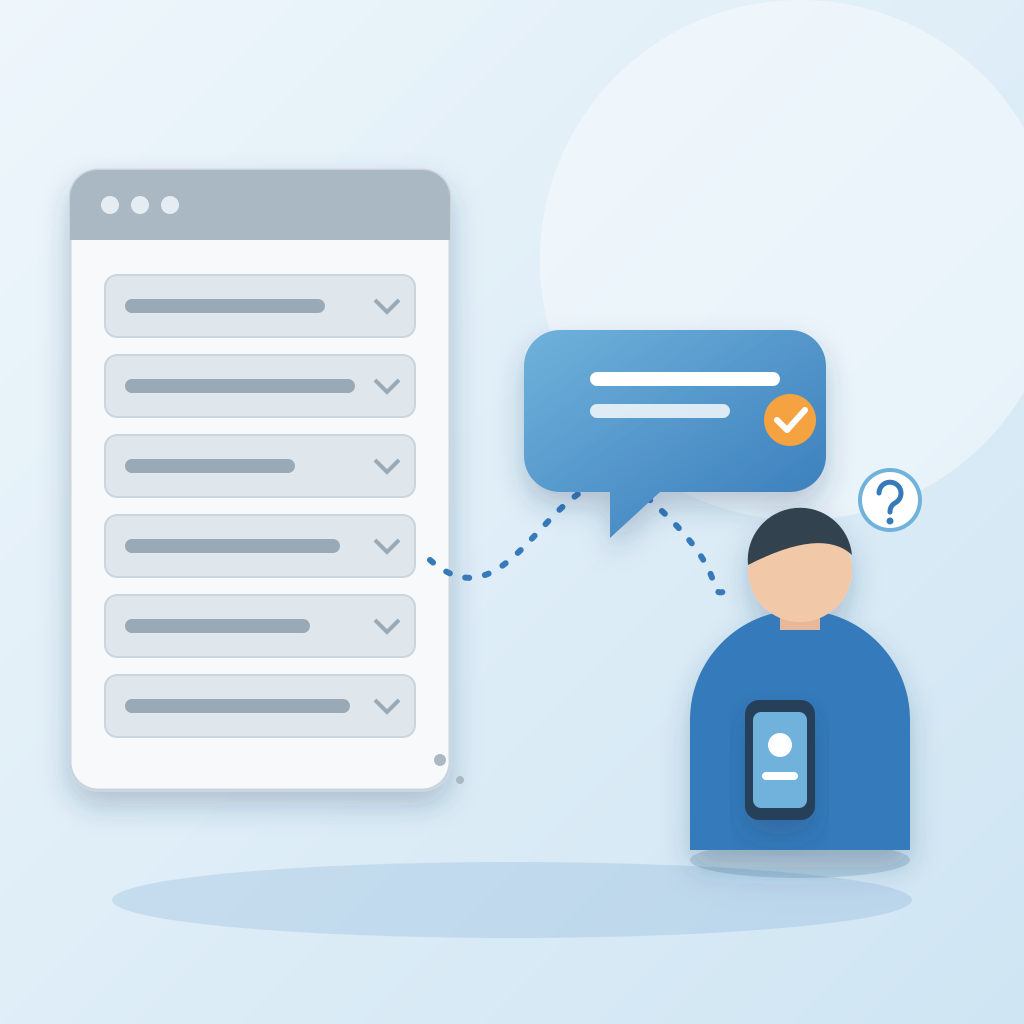
Prigmar drops a chat agent on your site. It sits in the corner, one small widget. A visitor asks a question at 3 AM. The agent pulls the answer from your own knowledge base and replies. You sleep. The lead stays warm.
The agent answers in your voice. You feed it your policies, your shipping rules, your refund window, your hours, your pricing tiers. It uses that. It doesn't invent an answer. When it genuinely doesn't know, it hands the conversation to you with the full thread attached.
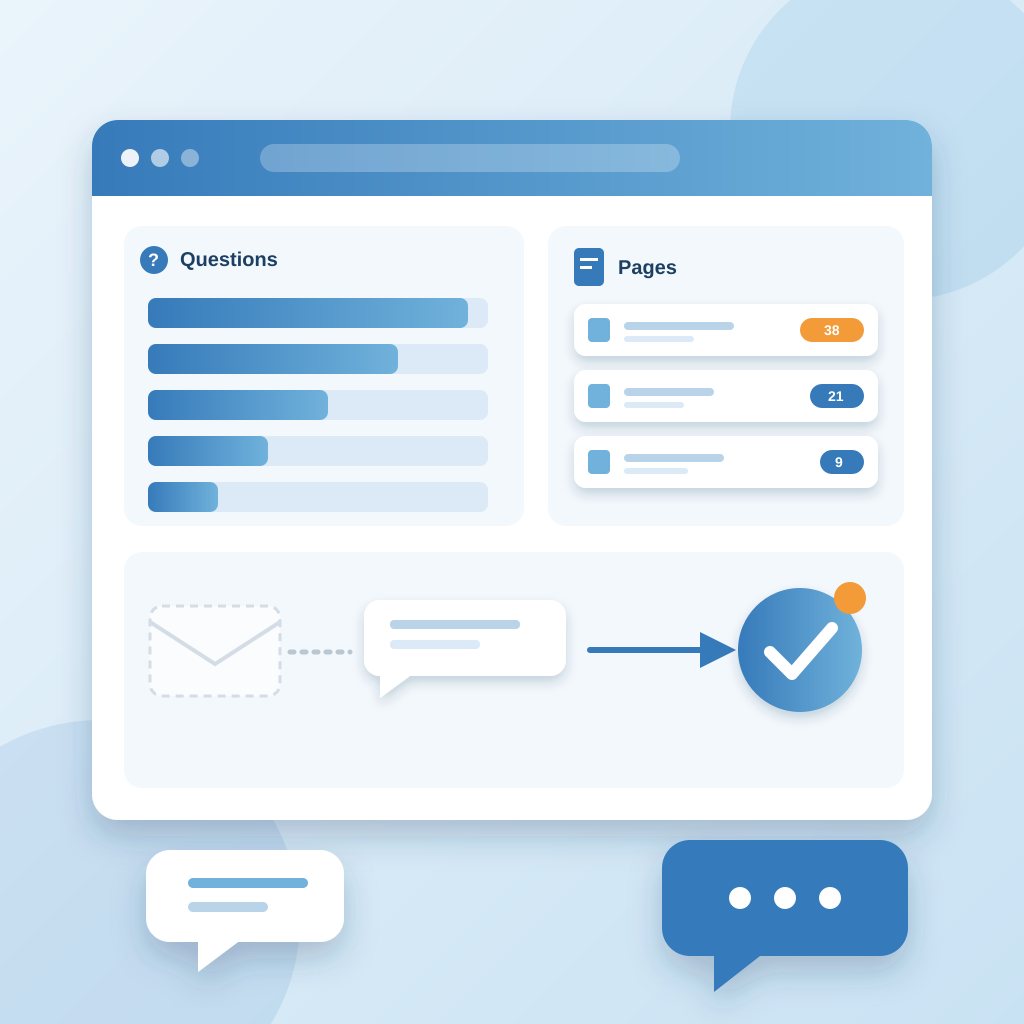
This is where prigmar analytics dashboard features matter more than they sound. You can see which questions get asked most, which pages send people to the chat, and which conversations turn into orders or booked calls. That turns your site into a feedback loop. If 60 people asked about bulk pricing last month, you know what to add to your site next.
One widget. One less lost lead. That's the whole idea. It sits where the question happens instead of waiting in your inbox for morning.

The 47 questions you can name right now
Sit down and write the questions you get most. You'll get past 10 fast. Shipping times, return windows, payment methods, setup steps, compatibility, warranties, appointment changes, rush options, minimum orders, invoicing, refunds, cancellations. Most solo owners hit 40 or 50 without thinking hard.
Each one of those is a lead waiting on an answer. A person asked, got silence, and moved on. You never saw it happen. There's no bounce notification for "left because nobody replied fast enough."
The chat agent is built to handle exactly that list. You load the answers once. It fields the question every time it comes up, at any hour, on any device. You stop retyping shipping policies. You stop losing people who asked at a bad time.
This is also where Prigmar works for small business owners who run everything alone. You don't have a support team. You don't have a night shift. You have a list of known questions and a tool that answers them while you do something else.
What changes in the first two weeks
Most owners see the difference the first week. The repeat questions stop landing in your inbox. You wake up to conversations that already happened, many of them resolved, a few flagged for you. The urgent ones are the only ones you touch.

The bigger change shows up in the analytics. You start to see demand you didn't know existed. People asking about a service you mention once on a buried page. People asking about a region you assumed didn't buy from you. People asking about price ranges before they ever fill out a form.
That's a sales list. It tells you what page to write next, what offer to make clearer, what city to test. You're not guessing at marketing anymore. You're reading what visitors actually asked for and giving it a place on the site.
The time saved is straightforward. If you field 30 questions a week and each takes 4 minutes, that's 2 hours you don't get back. Over a year, that's roughly 100 hours. The money collected is harder to forecast, but consider the 3 AM buyer who would have left and now gets an answer. That's a sale you never had a chance at before.
Where the rest of the agents fit in
The chat agent is one of nine Prigmar agents. The others cover social media, SEO, email, newsletters, CRM, community, invoicing, and lead acquisition. You connect your channels, pick the agents you want, and either approve the work or let it auto-publish.
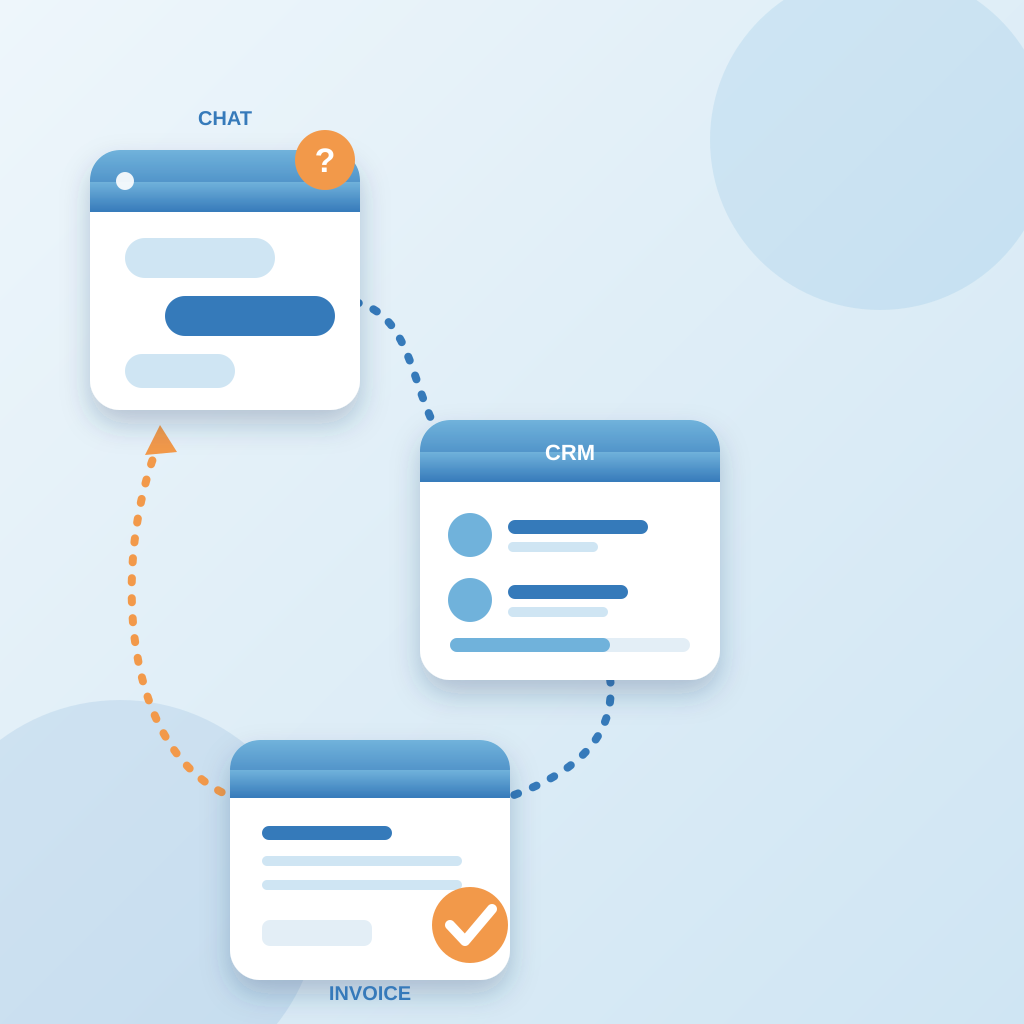
Owners usually start with the chat agent because the pain is visible. Then they add the CRM agent to track the conversations the chat agent starts. Then the invoicing agent to close the loop. It stays manageable because you're choosing, not adopting a platform.
If you have staff or a VA, Prigmar training for staff covers how to hand off the approvals without losing the thread. If you want to see it working before you commit, check the Prigmar webinar schedule and sit in on a live session.
The cost question comes up early. Prigmar price depends on which agents you run, so how much does Prigmar cost changes based on what you actually need. Most solo owners start with one or two agents and add as the load grows. There's a 7-day free trial on the chat agent, which is the cheapest way to find out if your 47 questions get answered.
What to do this week
Write down the questions you answer most. Get to 20. Load them into the agent along with your shipping, refund, and pricing rules. Set the widget live. Then watch the analytics for seven days.
You'll see which questions dominate. You'll see which pages drive the chats. You'll see the conversations that would have died in your inbox and instead moved forward. That's the point. Your site starts answering instead of collecting forms that go nowhere.
If the chat agent handles your known questions, add the CRM agent next. If invoicing is the leak, start there. Prigmar is set up so you pick the fix that matches the problem in front of you, not the other way around.
The invitation is simple. Try the chat agent for 7 days free.