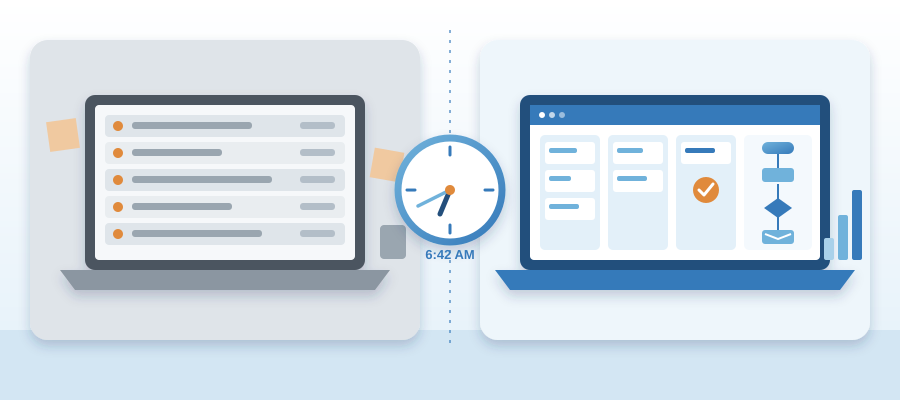
Run Two Mornings Side by Side: The 6:42 AM That Ends With the Work That Pays
Morning A: The 35-Minute Caption That Sets the Tone
At 6:42 AM the alarm goes off. By 6:47 the phone is in hand, thumb hovering over the notes app. The plan was to write a quick caption and move on. At 7:17 the post goes live. That was 35 minutes on one post, and the day has not started yet. The time is gone before the first invoice gets looked at, before the first lead gets answered.
The next thing is email. Fifty-two messages, and the CRM needs a follow up logged from yesterday's call. That is another 12 minutes. Then a buyer fills out the website form at 7:48. The auto-reply says someone will be in touch. Nobody is in touch until after lunch. By 11:40 AM the owner is still answering the 7:48 lead, and the morning is done.
This is not a discipline problem. It is a sequencing problem. The work that pays (answering buyers, sending invoices, following up on quotes) gets pushed behind the work that stalls (writing captions, formatting posts, logging notes). By 2 PM the owner has done a lot and collected nothing. The brain is tired and the pipeline is cold.
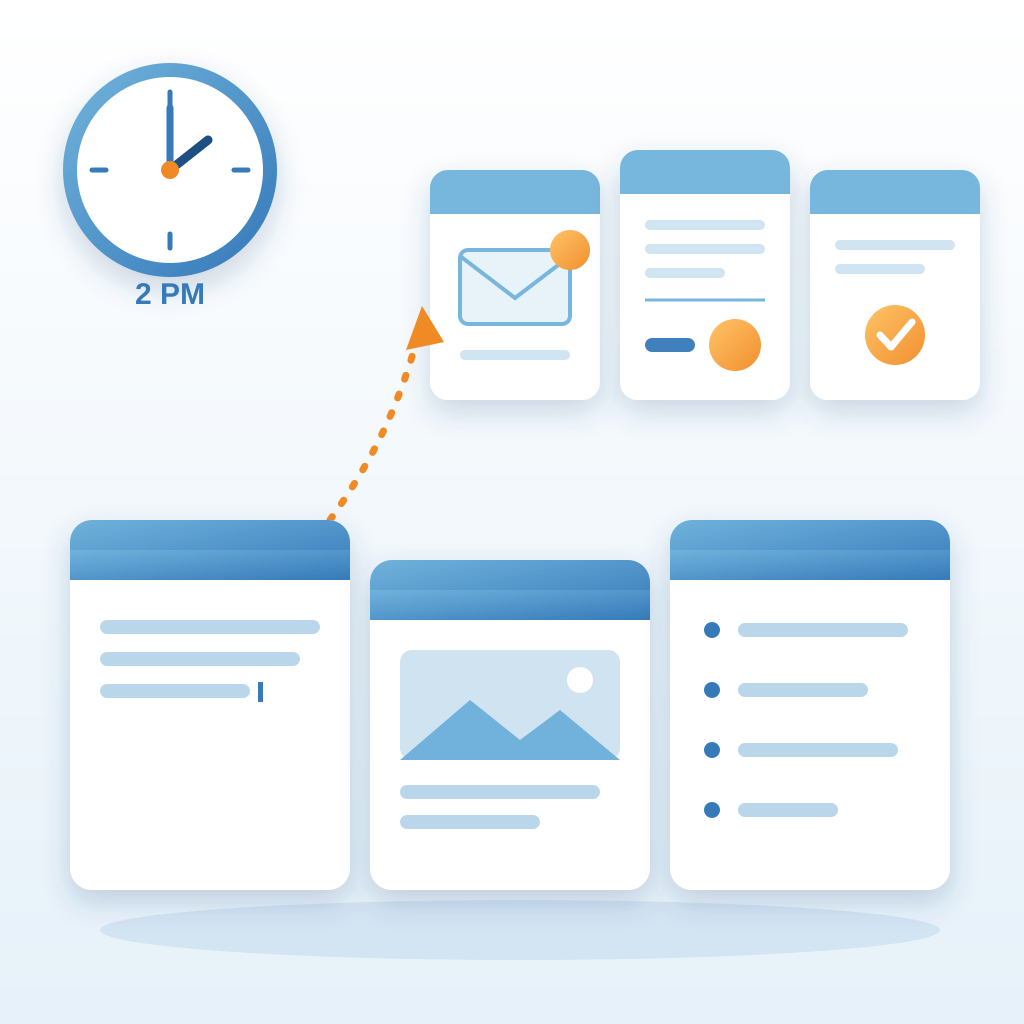
What gets lost in Morning A is not just time. It is the compounding effect of a published post sitting on a cold feed. One post on LinkedIn at 7:17 AM reaches whoever happens to be scrolling. One post that published at 6:00 AM and one that will publish at noon and one at 6 PM reach three different waves of the same audience. But Morning A only has room for one post, and it took 35 minutes.
By the end of the week, Morning A has published five posts and answered every lead late. The owner feels like they worked hard. The bank account doesn't reflect it. That is the real cost: not the hours, but the mismatch between effort and outcome.
Morning B: The Post Is Already Live at 6:42 AM
At 6:42 AM the alarm goes off. The first post of the day went live at 6:00 AM. It was written last week, approved in one click, and scheduled across LinkedIn, X, Instagram, and Google Business. The owner doesn't open the notes app. They open the dashboard, see three leads from overnight, and reply to the hottest one before coffee.
The chat agent handled the 11:40 PM visitor. It answered in 9 seconds from the knowledge base, captured the email, and flagged the conversation for follow up. At 6:45 AM the owner reads the transcript and sends a two-line reply with a calendar link. The lead books a call for 9:30 AM. The morning is not about posting. It is about closing.
By 7:15 AM two invoices have gone out. One is for the project finished yesterday, and the other is a recurring invoice that the system sent because the client's card on file cleared. The reminder for the invoice from three weeks ago went out at 8:00 AM automatically. The owner did not write it. They did not think about it. They just saw the payment land at 11:40 AM while they were on a call.

The difference between Morning A and Morning B is not that Morning B has more hours. Both start at 6:42 AM. The difference is that Morning B runs on a system that handles posting, the replying, and the invoicing in parallel. The owner spends the first 45 minutes on the work that actually pays: answering a live buyer, sending an invoice, booking a call.
This is what a CRM with email marketing automation should do. It should not just store contacts. It should run the sequence: publish, capture, reply, follow up, invoice, collect. When that sequence runs on its own, the morning becomes optional. You can join it or not. The work still gets done.
The Tab Tax: Why Morning A Feels Busy and Morning B Feels Calm
Morning A opens five tabs before 8 AM. One for the social scheduler, one for email, one for the CRM, one for invoices, one for the calendar. Each tab has a different login, a different notification count, and a different definition of done. Switching between them costs more than the time on screen. It costs the mental reset every time you come back to a task you left half-finished.
Morning B opens one dashboard. The social posts are already queued. The email automation is running a welcome sequence for the three leads from last night. The CRM shows who opened the proposal and who needs a nudge. The invoice module shows two payments received and one overdue. The calendar syncs with Google Calendar so the 9:30 AM call is already on the schedule. Nothing is missing because nothing lives in a separate tab.

The tab tax is real. Every time you switch from writing a caption to checking a lead to formatting an invoice, you pay a small cost in focus. Ten switches a day at 90 seconds each is 15 minutes. That is not the problem. The problem is that each switch makes the next deep task harder. By 11 AM Morning A is making decisions with a tired brain. Morning B is making decisions with a clean one.
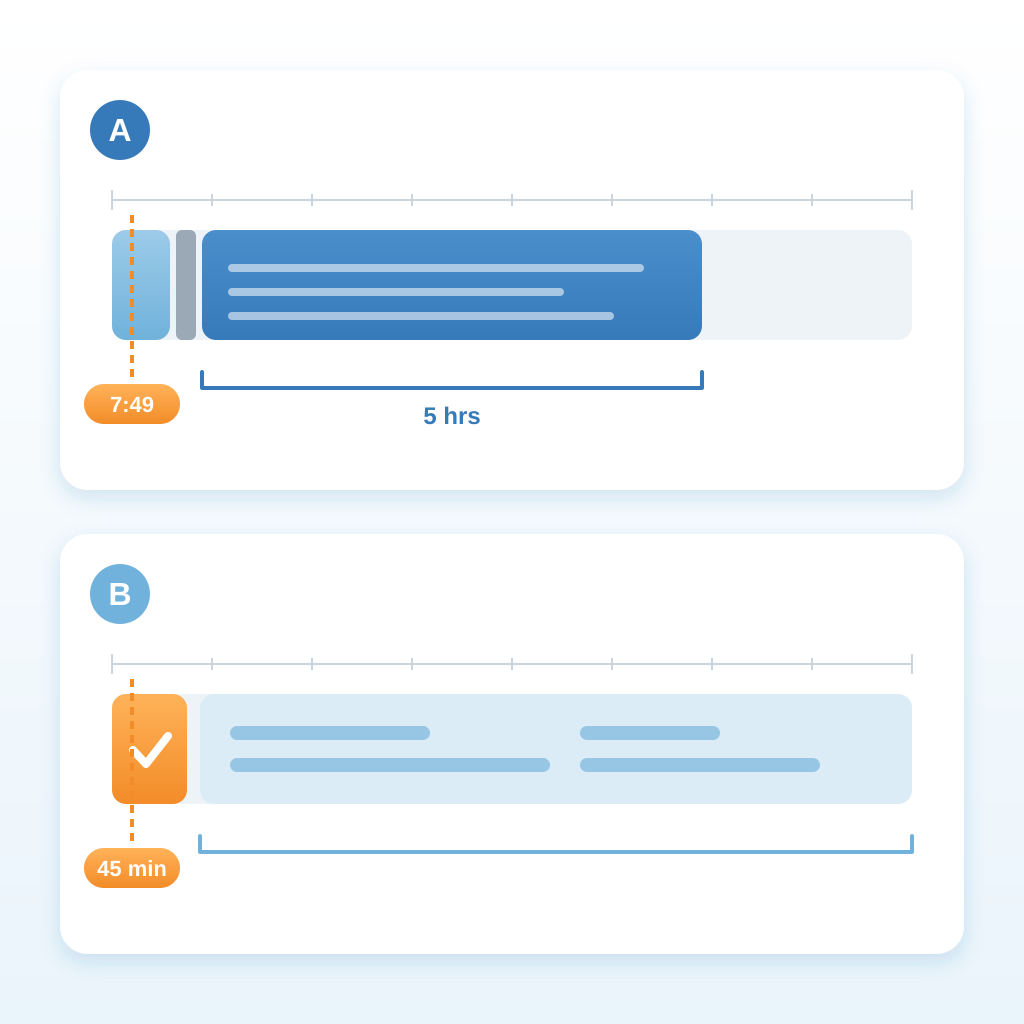
The other hidden cost is the missed signal. In Morning A, a lead fills out the form at 7:48 AM and nobody sees it until 1:15 PM. In Morning B, the same lead gets a reply at 7:49 AM from the chat agent and a personal follow up at 6:45 AM the next day. The difference in reply time is not 5 hours. It is the difference between a warm lead and a cold one.
If you run a CRM with email marketing automation, the test is simple. Can you see every lead, every post, every invoice, and every reply in one place? If not, you are paying the tab tax. Morning B is not about working less. It is about working on one thing at a time and letting the system handle the rest.
What the 9 Agents Actually Do Between 6:42 AM and Noon
The social agent posts natively to LinkedIn, X, Facebook, Instagram, TikTok, Pinterest, YouTube, Snapchat, and Google Business. Every post carries your brand info bar, so even a screenshot of your post includes your name and link. The agent doesn't just schedule. It writes in your voice, using your past posts and your knowledge base. You approve in one click or let it auto-publish. The point is that 6:42 AM is not a content emergency anymore.
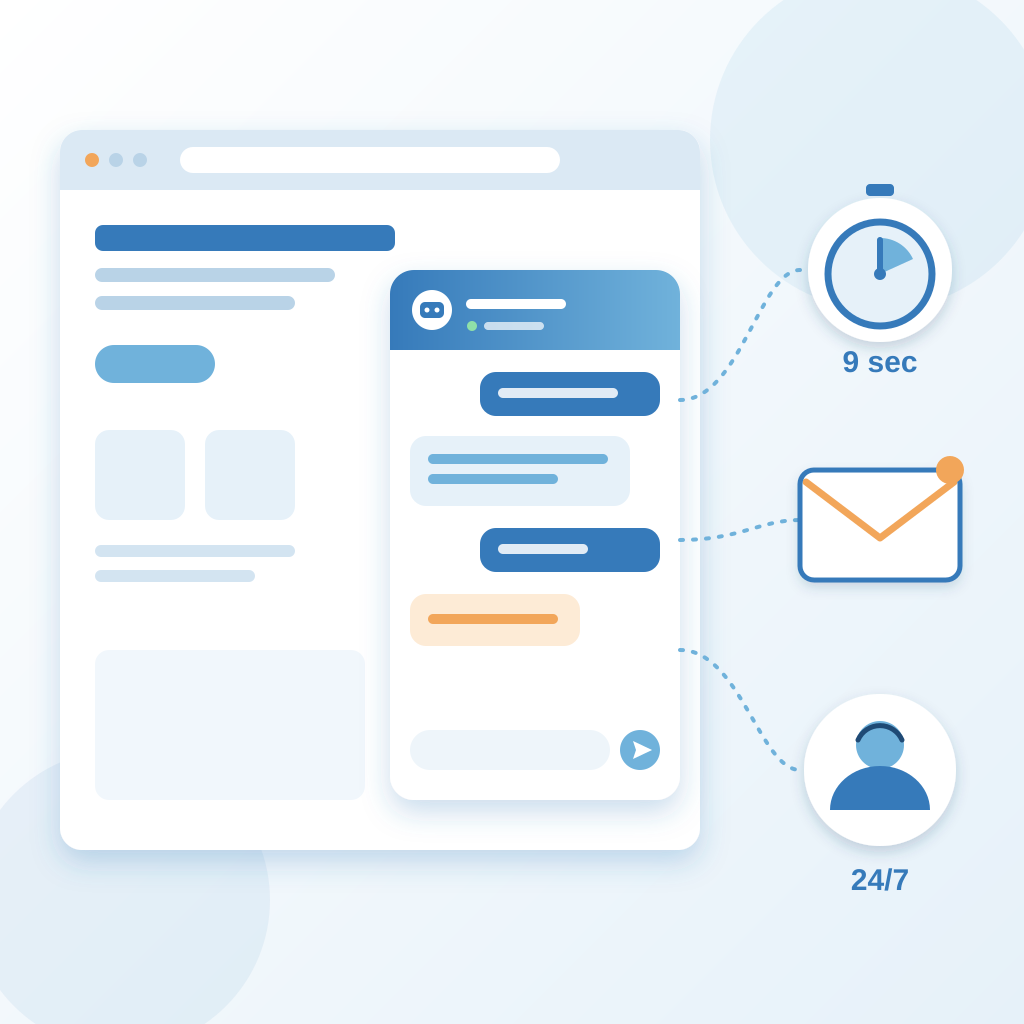
The chat agent sits on your website as a drop-in widget. It answers from your knowledge base in about 9 seconds, any hour. If a buyer asks something it cannot answer, it takes a message and emails you. If the conversation gets complex, you take over with one click. The visitor never sees a dead end. The owner never wakes up to a 11:40 PM question that went unanswered.
The invoicing agent sends the invoice the same day the work is done and chases it until it clears. It sends the first reminder at 8:00 AM on day three, the second at day seven, and a final notice at day fourteen. You do not write these. You do not remember them. You just see the payment land. For a solo owner, that is often the difference between a $4,200 month and a $2,800 month.
The email agent runs the welcome sequence, the follow up sequence, and the re-engagement sequence. It knows who opened, who clicked, and who went quiet. It feeds that back into the CRM so the next call is informed. The newsletter agent writes and sends the weekly email in your voice. The lead acquisition agent finds and qualifies new prospects. The community agent keeps the conversations going. The SEO agent publishes the articles. The CRM holds it all together.
None of this runs on hype. It runs on a schedule and a knowledge base. If a job fails, you get a notification in 2 minutes. Not 6 hours later when a client notices your feed went cold. That notification is the honesty layer. Without it, automation is just a silent risk. With it, you can trust the system enough to leave it alone.
The Artifact: What You See at 7:15 AM in Morning B
At 7:15 AM in Morning B, the dashboard shows a short list. Three new leads from overnight, each with a transcript and a suggested reply. Two invoices sent, one paid, one reminder scheduled for 8:00 AM. One post published at 6:00 AM with 14 impressions so far. One post scheduled for noon and one for 6 PM. One call booked for 9:30 AM with a Google Calendar sync already confirmed. That is the artifact. Not a promise, not a projection. A screen you can look at.
In Morning A, the same 7:15 AM shows a half-written caption, an unread email count of 52, and a CRM that has not been updated since yesterday. The lead from 7:48 AM has not arrived yet. When it does, it will sit until 1:15 PM. The invoice from three weeks ago is still in drafts. The post will go out at 7:17 AM, and the next one will not exist until tomorrow morning at 6:42 AM when the same 35-minute cycle starts again.
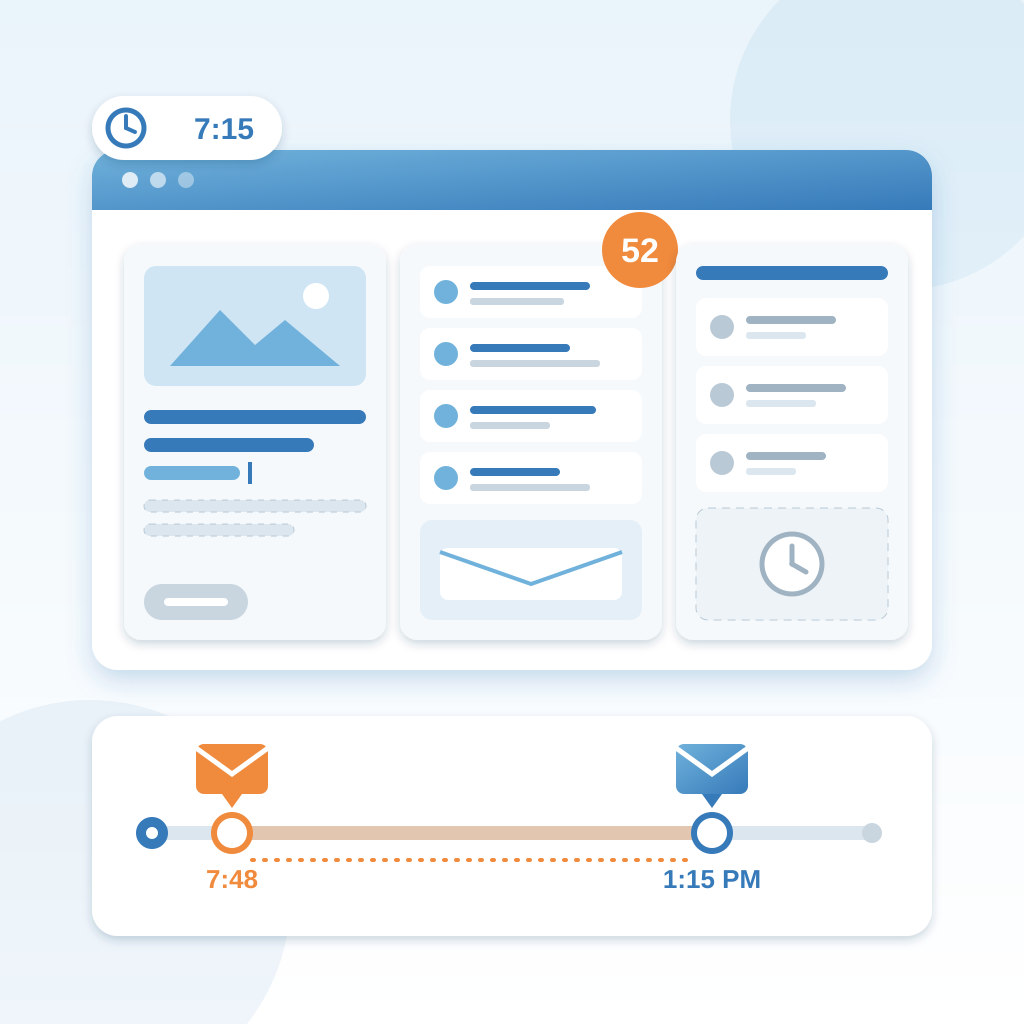
The artifact is the point. You do not need to trust a promise about time saved. You need to see the sent invoice, the answered chat, the published post, the booked call. Those are the units of a business that pays. When you can see them at 7:15 AM before you have had coffee, you know the system is running. The morning is no longer a race against the clock. It is a review of what already happened.
If you want to see the difference for yourself, book a CRM demo with onboarding support. The demo is not a slide deck. It is your own channels connected to the dashboard, your own knowledge base loaded into the chat agent, and your own first post scheduled during the call. You leave with a working morning, not a plan for one. That is how you sell the outcome: you show the artifact.
The Takeaway: Stop Selling Hours, Start Selling the Morning
Nobody buys a CRM because it has a certain feature. They buy it because they want to wake up and find the work already moving. The first post is live. The buyer got an answer at 11:40 PM. The invoice went out the same day and the reminder is already scheduled. The morning starts with the work that pays, not the work that stalls. That is the outcome. The 9 agents are just how it gets delivered.
The math is simple. Morning A spends 35 minutes on one post, 12 minutes on CRM notes, and 5 hours on a reply that could have been sent at 7:49 AM. That is most of a workday spent on the wrong things. Morning B spends the first 45 minutes on a live lead, an invoice, and a booked call. The rest of the day is available for the work only the owner can do. The difference is not effort. It is sequence.
If you are running everything alone, you already know the feeling of 6:42 AM. You know the phone in hand before your feet are on the floor. The point of Prigmar is not to add another tool to the stack. It is to remove the morning scramble. You connect your channels, pick the agents you want, and either approve the work or let it auto-publish. The system handles the rest, and it tells you within 2 minutes if something fails.
You can keep running Morning A. It works, in the sense that you get through it. But the compounding cost is invisible until you see the other version. Two mornings, same start time. One ends with a caption posted at 7:17. The other ends with a call booked at 9:30, an invoice paid at 11:40, and a post that went live before you woke up. That is the outcome worth selling. And it starts at 6:42 AM.