The Proposal That Never Got Opened
The Inbox Graveyard: Why Great Proposals Go Unread
You spent two hours tailoring that proposal. You highlighted their specific pain points. You offered a clear solution with a fair price. Then you hit send and waited. A day passed. Then a week. Nothing. No reply, no rejection, not even an automated I'll review this soon.
This isn't a reflection of your proposal quality. It's a timing problem. Clients get bombarded. Your email lands in a busy inbox, gets a quick scan, and then gets buried under the next 50 messages. They fully intended to read it. They just never got back to it.
This pattern repeats endlessly for solo business owners. You pour energy into the offer itself but ignore what happens after you send it. The reality is that follow-up is what turns a sent proposal into a signed deal. Without it, even the best proposals sit unread.

The cost of this silence is real. You lose opportunities. You waste time re-crafting proposals for leads that might have closed if you had just nudged them at the right moment. And you carry the mental weight of wondering if your offer was good enough, when it usually was.
The Follow-Up Gap: Why You're Not Nudging
Most owners know they should follow up. They tell themselves they'll send a reminder in two days. Then two days become five. Five become ten. By the time you remember, the client has moved on or chosen a competitor. You didn't fail on the proposal. You failed on the follow-through.
But why is follow-up so hard? Because it's tedious. You have to track who received what, when to nudge, and what to say each time. That's a lot of mental overhead when you're already juggling product delivery, customer support, and invoicing. So it slips.
There's also a fear of being pushy. Many owners worry that a follow-up will annoy the client. But the opposite is true. A well-timed, value-add reminder shows you care. It keeps you top of mind without being aggressive. The key is consistency, not intensity.

Without a system, follow-up becomes a guessing game. You rely on memory and luck. And luck doesn't close deals. What you need is a methodical process that ensures every proposal gets the attention it deserves, without you having to remember every single touchpoint.
How Prigmar's CRM Agent Fills the Gap
Prigmar's CRM agent is built for this exact situation. After you send a proposal, you connect the lead to Prigmar. The agent tracks the proposal's status, whether it was opened, for how long, and if any links were clicked. Based on that data, it schedules automatic follow-ups.
These aren't generic reminders. The CRM agent knows the context. If the client opened the proposal but didn't respond after three days, Prigmar sends a friendly check-in: Wanted to see if you had any questions about the pricing model we discussed. If they never opened it, the agent might try a different approach. I know you're busy. Would a 10-minute call make sense to walk through the proposal?
The agent keeps the conversation moving. It can share a case study related to the client's industry, offer to jump on a quick call, or simply remind them the proposal is waiting. Each touchpoint adds value, not noise. Over time, these nudges build momentum toward a decision.

And you don't have to think about any of it. Once the workflow is set, Prigmar runs the follow-up sequence automatically. You only step in when the client responds. That's when your personal touch matters. Until then, the agent keeps the pipeline warm.
Real Results: From Silence to Signature
Consider a real scenario. A freelance designer sends a proposal for a rebranding project. The client, a busy retail owner, opens the proposal but doesn't reply. Three days later, Prigmar sends a short email offering a recent case study on how rebranding boosted foot traffic by 20% for a similar store. The client clicks the link. Five days after that, Prigmar sends a gentle nudge: Is there anything I can clarify about the timeline? The client replies, they schedule a call, and the deal closes.
This sequence would have taken the designer more than an hour to manually execute, if they remembered to do it at all. With Prigmar, it happened automatically. The designer focused on delivering work for existing clients while the CRM agent nurtured the lead. That's use.
Another example: a marketing consultant sends a proposal to a local service business. The proposal isn't opened for a week. Prigmar sends a text message via the integrated channel. Hi there! I sent over the proposal last week. Just wanted to make sure you received it. Happy to hop on a quick call if that's easier. The client texts back, apologizes for the delay, and opens the proposal immediately. They sign the contract the next day.

These aren't hypotheticals. They're the kind of results that happen when you stop relying on memory and start using a system that consistently follows up. The CRM agent doesn't just remind, it adapts based on engagement, making each touchpoint more relevant.
Taking the First Step: Set Up Your CRM Agent in Minutes
Getting started with Prigmar's CRM agent is straightforward. First, connect your email and any other channels where you communicate with leads. Then, create a new workflow for proposals. Define the triggers: when a proposal is sent, wait 3 days, then send a check-in email. If no reply after 5 more days, send a case study. After 7 more days, send a final offer or schedule a call request.
The agent uses built-in templates, but you can customize every message to match your voice. Write your follow-ups once, and they run forever. No more drafting each one from scratch. The system remembers the history, so you never send a duplicate or contradictory message.
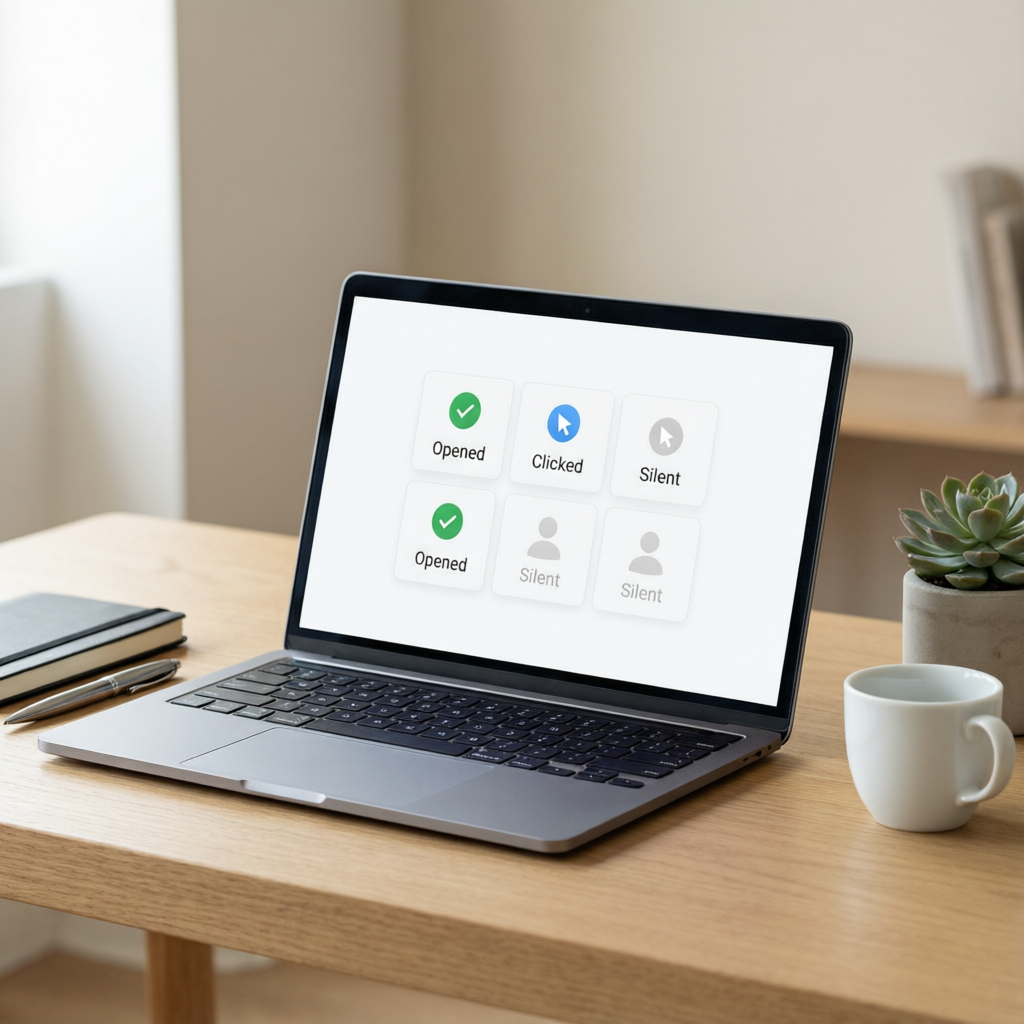
You also get a dashboard that shows the status of every lead. See who opened, who clicked, and who went silent. This visibility lets you prioritize your personal outreach for the hottest leads while the agent handles the rest. You stop guessing and start knowing.
The time investment is about 15 minutes to set up the workflow. After that, the agent works 24/7. Every proposal you send gets nurtured automatically. Your pipeline stays active, and you reclaim hours every week that you used to spend on manual follow-ups.
The Takeaway: Stop Losing Deals to Silence
The proposal that never gets opened is a solvable problem. It's not about the quality of your offer. It's about the follow-up system you have in place. Without automation, even the best proposals die in the inbox. With Prigmar's CRM agent, every proposal gets a second chance, and a third, and a fourth.
You don't need to hire a sales team or learn complex CRM tools. You just need an agent that handles the repetitive part of nurturing leads. The agent does the nudging, the tracking, and the timing. You step in only when the lead is ready.
This approach works for any solo business owner who sends proposals. Consultants, freelancers, small agencies, coaches, anyone who relies on one-to-one outreach can benefit. The result is more proposals read, more conversations started, and more deals closed.

Stop crafting proposals that land in inbox graveyards. Set up Prigmar's CRM agent today and turn your silent leads into signed clients.