The inbox is a graveyard of 'just checking in' emails.
Why 'Just Checking In' Kills the Deal
You sent a proposal. They said 'looks good.' Then silence. You wait a week. You send a 'just checking in' email. No reply. You wait another week. You send another. Now you're the annoying one. The truth is, they didn't forget you, they forgot to reply. Their inbox is full. Your email slips to the bottom. They mean to answer, but they don't.
The problem isn't your offer. It's the silence. Every day without a reply, your deal cools. They move on to other things. You become a distant memory. Your follow up feels pushy, so you hesitate. But silence doesn't mean no, it means forgotten. You need a way to stay in front of them without feeling like a nag.
Think about the last time you chased a client. You drafted the email, edited it, sent it. Then you waited. The wait is the worst part. You check your inbox obsessively. Nothing. You wonder if you should send another. That anxiety is costing you more than time, it's costing you confidence.

Automated follow ups change this. They send the nudge for you, at the right intervals, with the right tone. They keep you visible without you hovering. They turn the graveyard of 'just checking in' emails into a system that works while you sleep.
With Prigmar, you set it once. The agent tracks who hasn't replied. It sends a friendly reminder. It follows up again if needed. You approve or let it run. You get paid faster. That's the win.
The Psychology of the Forgotten Reply
People don't ignore you on purpose. They scan, they mean to respond, then a meeting pulls them away. Your email gets buried. The next day, it's gone. Research shows that follow up emails get higher response rates than initial ones. But the key is timing. Too soon feels pushy. Too late feels forgotten. The sweet spot is somewhere around three days.
Here's the thing: the average professional gets over a hundred emails a day. Your one proposal is a drop in that flood. If you send one email and wait, you're relying on luck. You need persistence, but not the annoying kind. That's where automation steps in.
A good follow up sequence feels thoughtful, not robotic. It references the proposal. It asks a specific question. It offers value. It ends with a clear, easy yes. That's exactly what Prigmar's email agent does. It crafts messages that sound human, because they're based on your style.

Think about what happens when a client finally replies. They say, 'Oh, sorry, I meant to get back to you.' They weren't avoiding you. They just forgot. Your automated follow up reminded them at the right moment. You saved the deal. You didn't have to feel awkward. You didn't have to write another 'just checking in' email.
The psychology is simple: out of sight, out of mind. Automation keeps you in sight. It works in the background. You get the reply, the meeting, the sale. No more guessing.
How Prigmar's Agents Do the Chasing
Prigmar is built for owners running everything alone. You connect your email, your CRM, your calendar. You pick the agents you want. The email agent handles follow ups. The CRM agent tracks leads. They work together.
Here's how it works. You send a proposal through your regular email. Prigmar's agent sees it. It notes the date. It watches for replies. If nothing comes back in three days, it sends a gentle nudge. It says something like, 'Hey, just checking if you had a chance to review the proposal. I'm happy to answer any questions.'

That nudge doesn't sound pushy. It sounds like a professional assistant. It's polite. It's specific. It ends with a question that invites a response. If the client still doesn't reply, the agent sends another follow up a week later. This one offers a little more value. Maybe it includes a case study or a testimonial. Maybe it mentions a deadline.
You don't have to write any of this. The agent drafts it. You approve it once, then let it run. If you want, you can set it to send them. The agent sends, tracks, and adjusts. You get a notification when someone replies. You jump back in at the perfect moment.
You might wonder about the drug references. Some people search for 'prigmar drug' or 'prigmar side effects'. That's not us. We're a software company. But we know those searches happen. We're here to clear up confusion. Prigmar is spelled with an 'i' and an 'a'. It's your business management platform. No prescription needed.
You also might wonder about dosage. How many follow ups is too many? Prigmar's default is three touches. That's the sweet spot. More than that, you risk being annoying. Less, you risk being forgotten. Three is the number that works.
Turning follow ups Into a System
Now imagine applying this to every lead, not just one. You have five proposals out. Each one is in a different stage. Some replied and went quiet. Some never opened. Some are ready to sign. You can't keep track of all of them manually. You need a system.
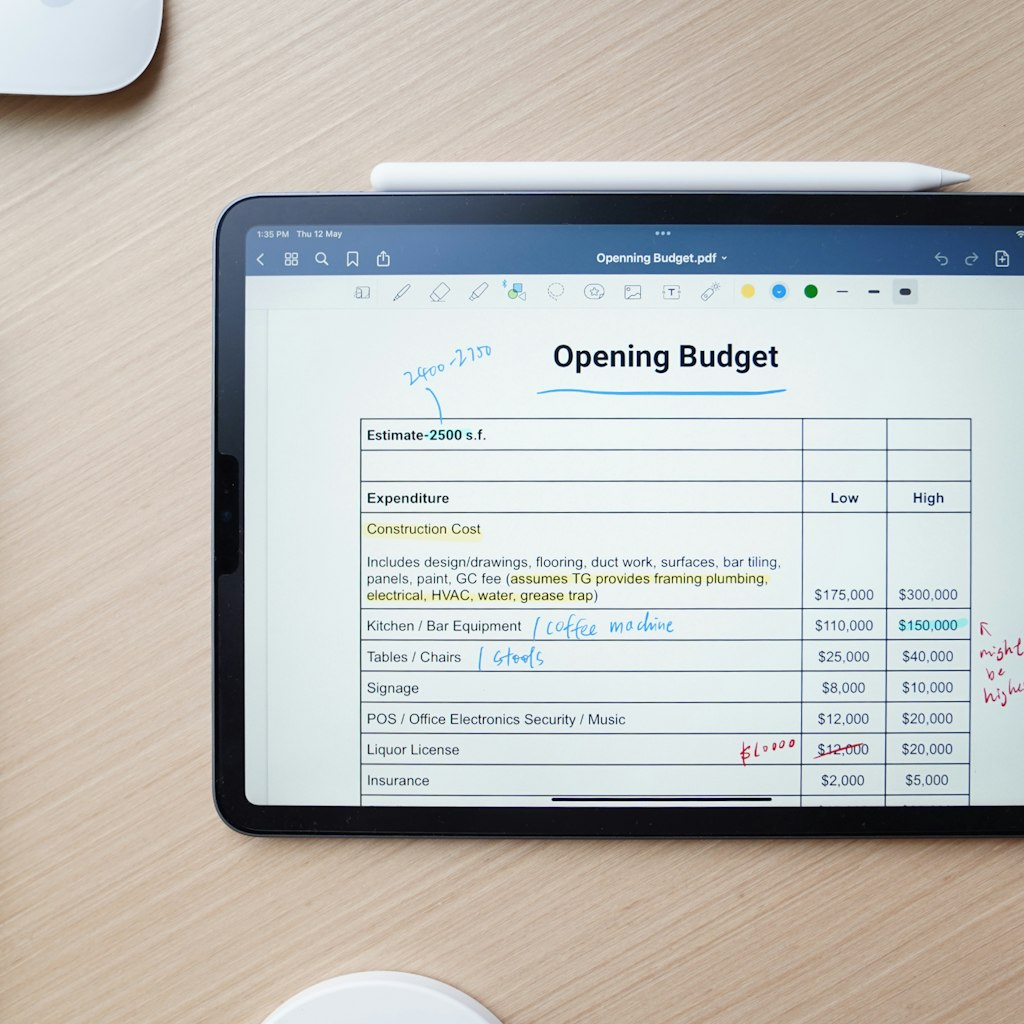
Prigmar's agents give you that system. The email agent tracks every conversation. The CRM agent organizes your leads. The newsletter agent stays in touch with your list. They all feed into one dashboard. You see what needs attention.
Let's say a client opens your proposal three times but doesn't reply. That's a strong signal. The agent can alert you. You contact them directly. They probably have questions. You answer them right away. The deal moves forward.
Or a lead downloads your pricing page. The agent adds them to your follow up sequence. They get an email introducing your service. They get a case study a few days later. They get a special offer. It all happens automatically. You just approve the work.
This isn't just about saving time. It's about collecting money that's already owed to you. Every ignored proposal is money on the table. Every dead lead is potential revenue. Automation turns those into actual invoices.
You stop chasing. You start collecting. Still, some people worry about the human touch. They think automation feels cold. But the opposite is true. Automated follow ups are more consistent than human ones. You might forget, the agent doesn't. You might wait too long, the agent doesn't. You might write a bad follow up, the agent doesn't.

Data-Driven Timing: When to Nudge
Timing matters more than tone. If you send a follow up too quickly, you seem pushy. If you wait too long, they've moved on. The perfect window is between two and four days after the last message. Prigmar's agent uses data to decide exactly when to send.
It looks at when your emails are most likely to be opened. Maybe that's Tuesday at 10 a.m. Maybe it's Thursday at 2 p.m. The agent learns from your past interactions. It optimizes the send time for each contact.
It also varies the message. The first follow up is a simple check-in. The second adds value. The third might include a deadline or an incentive. This keeps the conversation alive without being repetitive.
Consider a real scenario. You send a proposal on Monday. Thursday comes, no reply. Prigmar sends a nudge. The client opens it but doesn't respond. A week later, a second nudge goes out. This one includes a testimonial and a question about budget. The client replies: 'Sorry, I've been swamped. Can we schedule a call next week?' You've just revived a deal that would have died.
Without automation, you might have given up. With it, you've secured a client. That's the power of data-driven timing. It's not about annoying people. It's about staying present.
And if you're worried about sounding like a robot, don't be. The agent's messages are crafted to sound human. They use contractions. They vary sentence length. They ask real questions. They pass the test.