
The Comment Nobody Answered
Three Days, One Question, Zero Replies
Someone found your post about the service you offer and typed out a real question. Not a bot comment, not spam, an actual person asking "do you deliver to the east side" or "what's the starting price for something like this" or "is this still available." They hit send, closed the app, and figured they'd hear back soon. That was Monday. It's now Thursday and the comment is still sitting there under your post, untouched, while the algorithm quietly buries it deeper every day someone else comments after it.
You didn't ignore them on purpose. You were doing the actual work, the job that pays the bills, the thing that has nothing to do with scrolling through old posts checking for replies. Comments don't ping you the way a text does. They don't sit in a red-badge inbox demanding attention like email. They just wait, quietly, in a place you only think to check when you're already there for another reason, like posting something new.
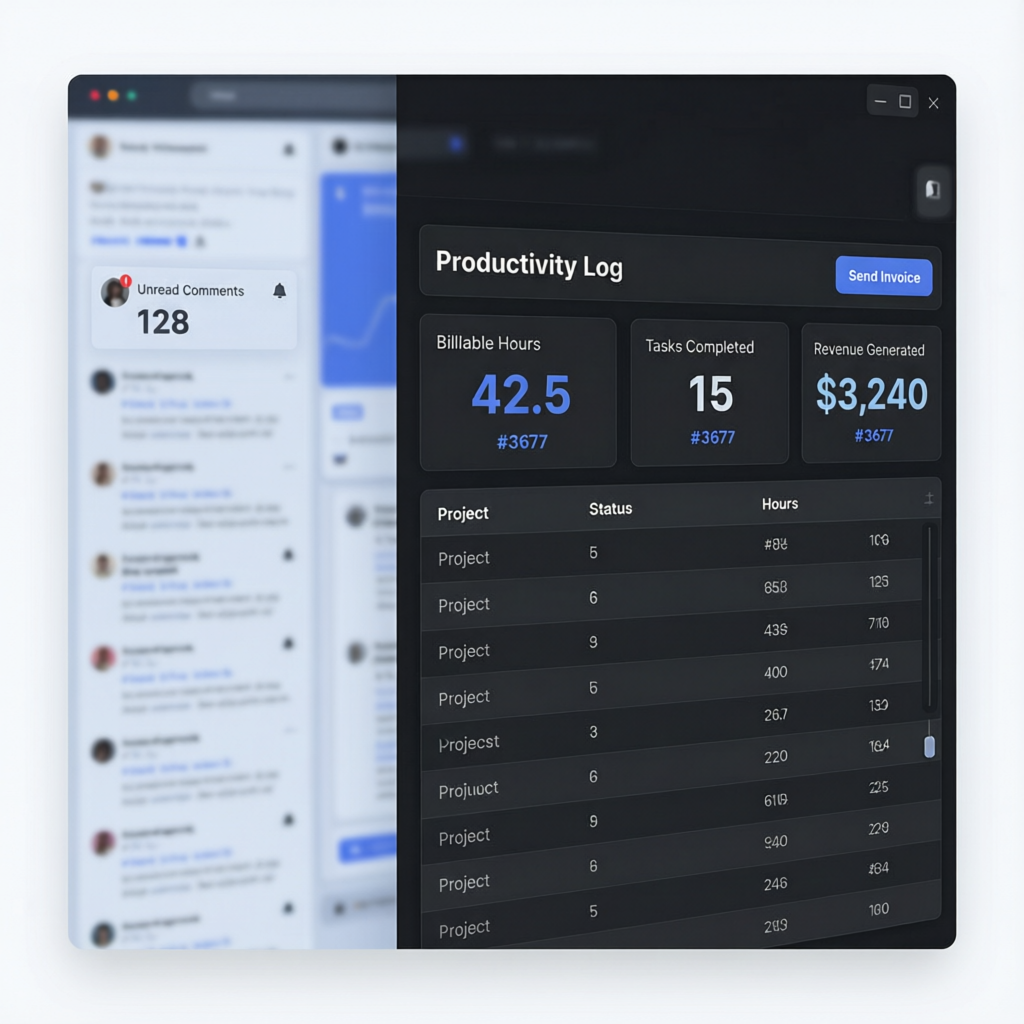
Meanwhile the person who asked is not waiting quietly. People who comment with a real question are already halfway to buying. They're not window shopping, they're trying to get unstuck on one detail before they act. When three days pass with no answer, they don't assume you're busy running a good business. They assume you don't check your page, or worse, that you don't care enough to answer. Either read costs you the same thing: they move on.
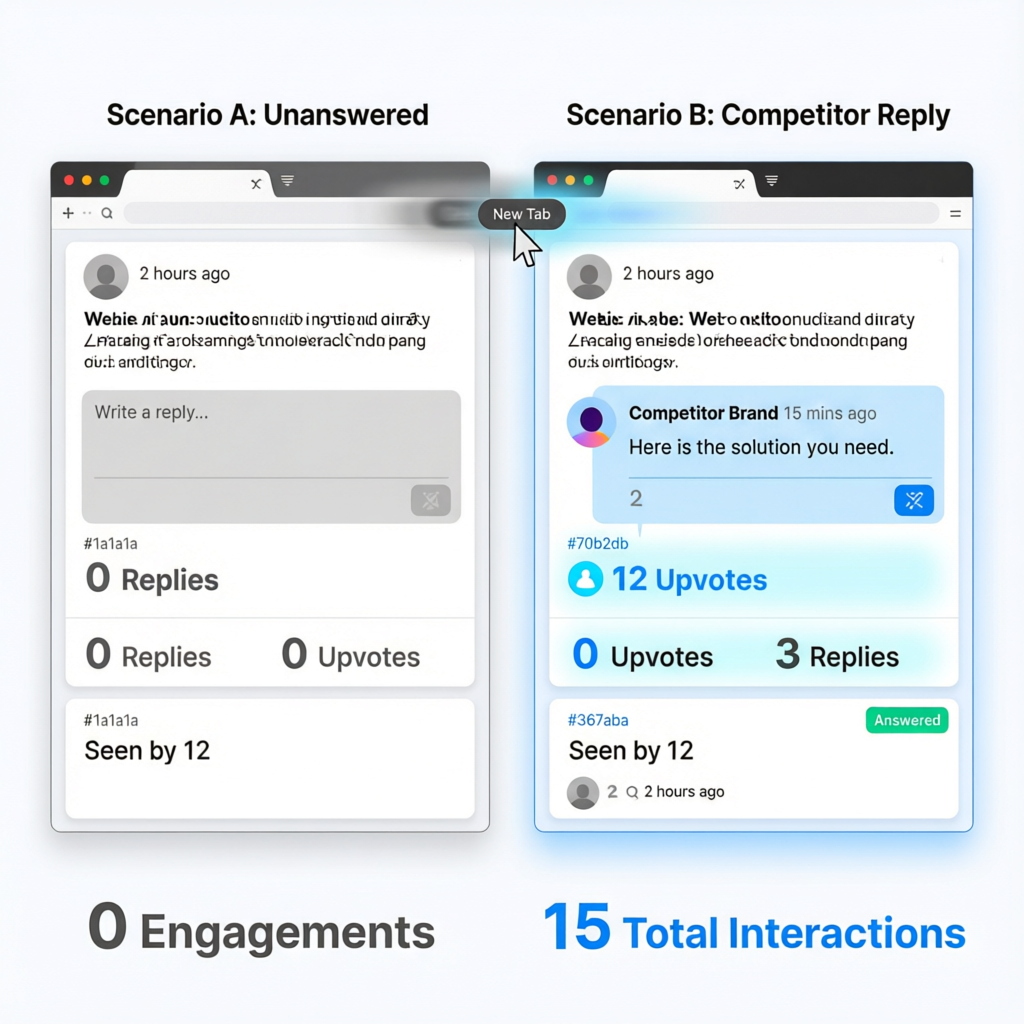
And moving on usually means one thing. They open a new tab, search the same question, and land on a competitor who replied to a similar comment within the hour. That reply didn't have to be clever. It just had to exist. Being first isn't a strategy, it's just what happens when someone is actually watching the channel you forgot about.
The Channel You Never Learned to Check
Every owner has a system, even an informal one, for the channels that feel urgent. Email gets checked because it always has. DMs get checked because a notification badge stares at you every time you open the app. The phone rings and you answer it, because a ringing phone is impossible to ignore. Comments never built that habit in anyone, because comments were never designed to demand your attention the way the other channels do.
That's not a flaw in you, it's a gap in how these platforms were built. A comment thread grows quietly at the bottom of a post you published weeks ago. There's no separate inbox for it, no daily digest reminding you three questions are waiting. You'd have to go looking, post by post, to find them, and nobody has time to do that as a daily ritual on top of everything else running the business demands.
This is exactly why audience persona development for content matters here in a very practical way. When you actually know who tends to comment on your posts, the parent booking a first appointment, the small business owner comparing three vendors, the neighbor asking if you're still taking new clients, you start to see that these are not casual browsers. They're a specific type of person at a specific point in deciding whether to trust you. Understanding that persona tells you the comment section isn't a lower priority channel, it's often where your most ready buyers show up first, because a public question under a post someone already liked feels lower risk than cold-emailing a stranger.
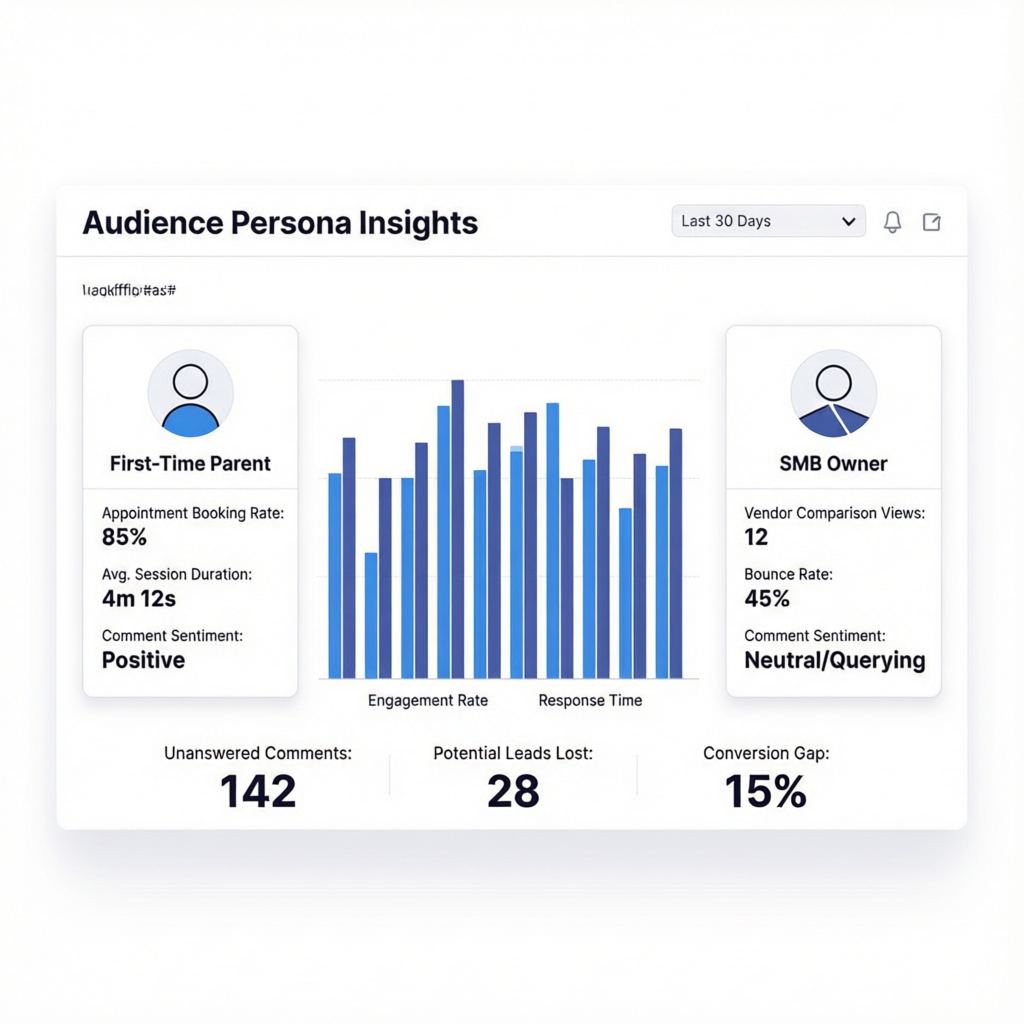
The irony is that comments are often more valuable than DMs, not less. A DM is one person reaching out privately. A comment is public, which means every other visitor who reads that thread sees whether you show up for the people who ask you things. An unanswered question isn't just one lost lead, it's a small, visible signal to everyone else scrolling past that questions here don't get answered. A answered one does the opposite work for free.
How Prigmar Keeps Every Channel Covered, Comments Included
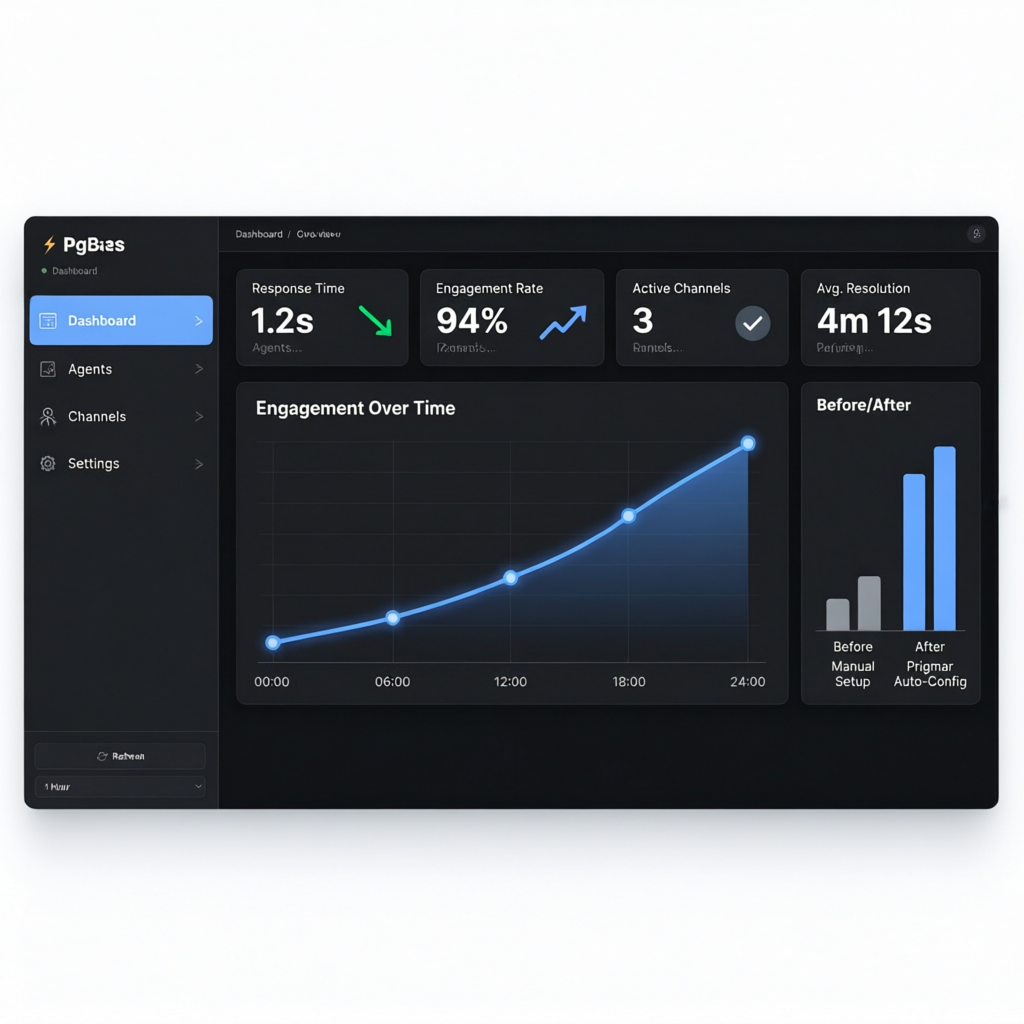
Prigmar's social media agent doesn't just schedule your posts and disappear. It watches what happens after the post goes live, including the comments, and responds in your voice using what it already knows about your business, your pricing, your hours, your tone. When someone asks "do you deliver to the east side" under a post from three weeks ago, the agent catches it the same day, not the same quarter. You review the reply before it goes out if you want that control, or let it auto-publish once you trust how it sounds, the choice is yours from the start.
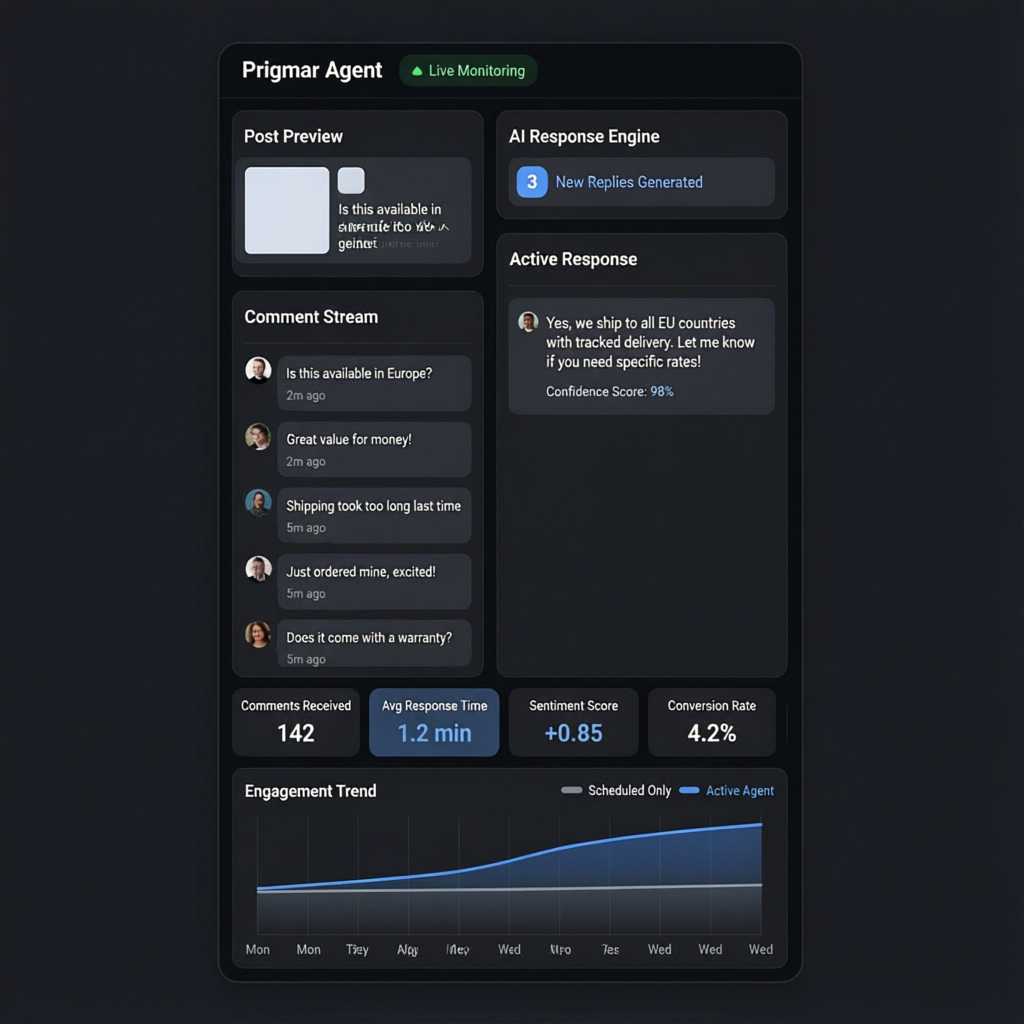
The bigger point is that this isn't a comments-only fix bolted onto one platform. Prigmar runs across the channels you actually use, chat on your site, email, social, and the agents talk to each other instead of working in separate silos. If someone asks a pricing question in a comment and then follows up by email, the reply they get is consistent, because the same system is watching both. You install it where you already work, the prigmar chrome extension sits right in your browser so replies and drafts are one click away without switching tabs, and if your site runs on WordPress, the prigmar wordpress plugin handles the same coverage on your blog comments and contact forms directly.
For owners who already have tools they rely on, invoicing software, a CRM, a booking calendar, the prigmar zapier integration connects those pieces so a comment that turns into a lead doesn't just get answered, it gets logged somewhere you'll actually see it again. You're not adding another app to babysit, you're closing the gap between the question and the record of it. And because a lot of that data, comment history, contact details, purchase intent, is sensitive by nature, the prigmar data privacy policy spells out plainly what's collected and how it's used, so you're not left guessing what a tool watching your channels actually does with what it sees.
Getting set up doesn't take a weekend. The prigmar tutorial for beginners walks through connecting your first channel and picking your first agent in about the time it takes to drink a coffee, no technical background required. You don't have to hand over everything on day one either. Start with the channel that's bleeding the most leads right now, comments if that's where you're weakest, and add more once you see what it catches.
The Lead You Didn't Know You Almost Lost
Picture the same scenario a month from now, but this time the agent already answered. Someone asks about delivery to the east side on a Monday afternoon. Within a couple hours, they get a reply in your voice, direct answer, no fluff, maybe a link to book if that fits the question. They didn't have to wait three days wondering if anyone was home. They didn't open a new tab to search for someone else who might answer faster.
That's the whole outcome, really. Not a flashy transformation, not a chart trending up and to the right, just a person who asked a question and got an answer while they still cared about the answer. Multiply that across every post you've ever published, every comment thread quietly sitting there right now with a question nobody caught, and you start to see how much has probably already slipped through a channel you weren't even checking.
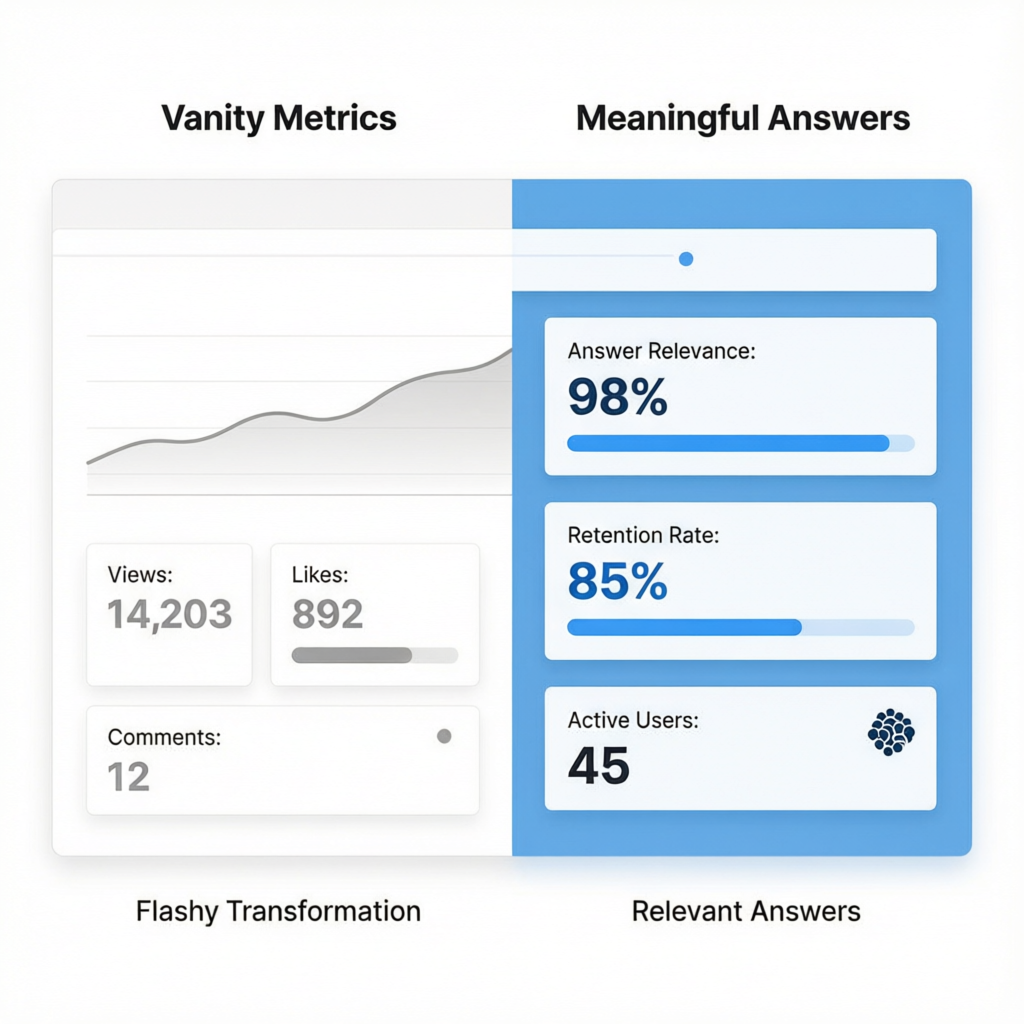
You don't need to become someone who refreshes their comments section five times a day. That was never sustainable and it was never the actual fix. The fix is having something watching the channel for you, consistently, in your voice, so the next person who asks a real question gets treated like the ready buyer they actually are, not like someone shouting into a room where nobody's listening.