The Client Who Almost Left Over Silence
Nine PM on a Tuesday, and One Client Went Quiet
An agency runs five client brands from one seat, and at 9pm on a Tuesday, one of them went silent. A visitor landed on that client's site, typed a question about pricing, and waited for a reply. Nobody answered. Ten minutes later the visitor left, and a few days later so did the client's patience.
The agency owner found out about it secondhand, in a call that opened with is anyone even watching our site. That's the part that stings. It wasn't that the agency didn't care about the account. It's that one person was covering five brands, and at 9pm on a weekday, the human doing chat support was asleep like anyone else.

The client didn't see any of that context. They saw a blank chat window and a visitor who never came back. From where they sat, it looked like their agency had quietly stopped showing up, and that's a hard story to walk back once a client starts telling it to themselves.
This is the exact spot where agencies lose accounts that had nothing wrong with the actual work. The strategy was sound. The content and the campaigns were doing their job. One missed message at the wrong hour was enough to make a client start shopping for someone else.
Why a Missed Message Feels Like a Fired Agency
A client doesn't experience your agency as a team of specialists split across five accounts. They experience you as one relationship, and the chat window on their site is the most visible proof of whether that relationship is being tended to. When it goes quiet, they don't think the support person must be off shift. They think nobody is running my brand.
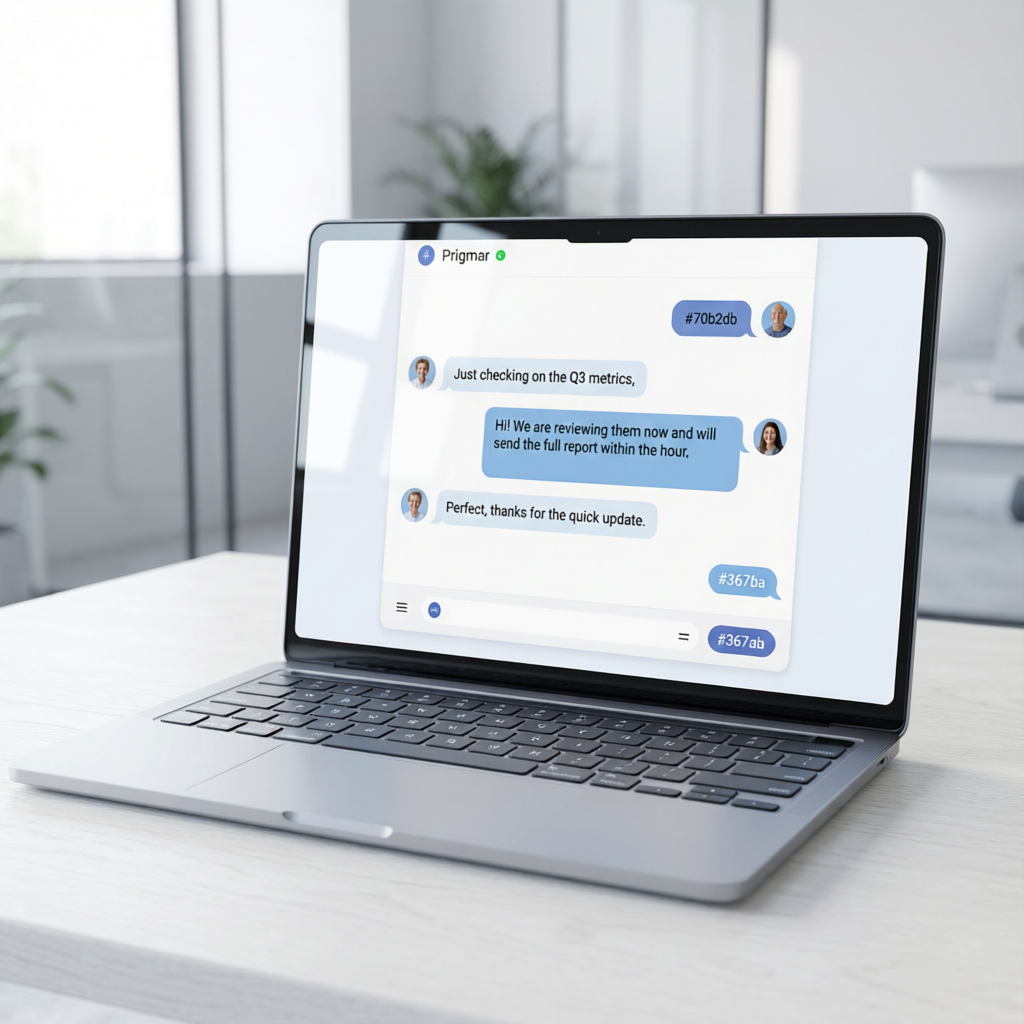
That reaction is fair, even if it's not fully accurate. A client is paying for their brand to look staffed around the clock, not staffed during the hours that happen to be convenient for whoever's covering chat that week. A visitor who asks a question at 9pm doesn't know or care that it's after hours. They just know whether they got an answer.
The math on this gets worse the more clients you add. Five accounts means five separate chat inboxes and five sets of hours nobody can fully cover, each one a fresh chance for a client to notice a gap. One missed reply on one account might get explained away. A pattern of missed replies across several accounts starts to look like the agency is stretched too thin to be trusted with any of them.
And the complaint rarely comes in as your chat response time was slow. It comes in as a churn conversation, the kind where the client has already half decided to leave and is giving you one chance to talk them out of it. By the time you're in that conversation, the damage from the missed message has already been done.
One Knowledge Base Per Client, One Seat for You
The fix isn't hiring a support person for every account, and it isn't asking whoever's awake to cover five inboxes at once. It's giving each client's chat agent its own knowledge base, so the agent answers with that client's pricing, that client's hours, that client's FAQs, and that client's tone. From the visitor's side, it looks exactly like a real person from that brand answered at 9pm.
Under Prigmar, you connect each client's site once and hand their chat agent their own information: services, prices, policies, common questions, the stuff a front desk person would know by heart. The agent for Client A never pulls from Client B's knowledge base, even though both run through the same login. Each brand stays its own brand, answered in its own voice, without you having to remember which script belongs to which account.
You still run all five from one seat. You're not logging into five separate tools or juggling five separate passwords to check on things. You open one dashboard, see how each client's chat agent has been handling their visitors, and step in only on the questions that actually need a human judgment call.
This is what closes the exact gap that almost cost the agency that Tuesday-night client. The visitor at 9pm still gets an answer, pulled from that client's own information, sent in that client's own tone. Nobody has to be awake for it to happen, and nobody has to explain after the fact why the site went quiet.
What This Actually Saves You
The clearest win shows up in the complaints you stop getting. Fewer clients calling to ask why their site went unanswered means fewer of those tense retention calls where you're trying to win back trust you already lost once. A saved account beats a smooth support shift any day.
The second win is in your hiring plan, or rather the hiring plan you don't need. Covering five accounts around the clock with people means shift coverage and time zones, probably more than one hire just to fill the gaps between 6pm and 9am. A chat agent per client removes that need entirely, so the coverage exists without adding headcount or asking someone to take the night shift.
The third win is simpler than it sounds: one dashboard instead of nine logins. Managing five clients across separate chat tools, separate CRMs, and separate inboxes means constantly switching context and losing track of which account needs attention. Running everything through one seat means one place to check, a quick look at what each client's agent has been doing, then getting on with your day instead of babysitting nine different tabs.
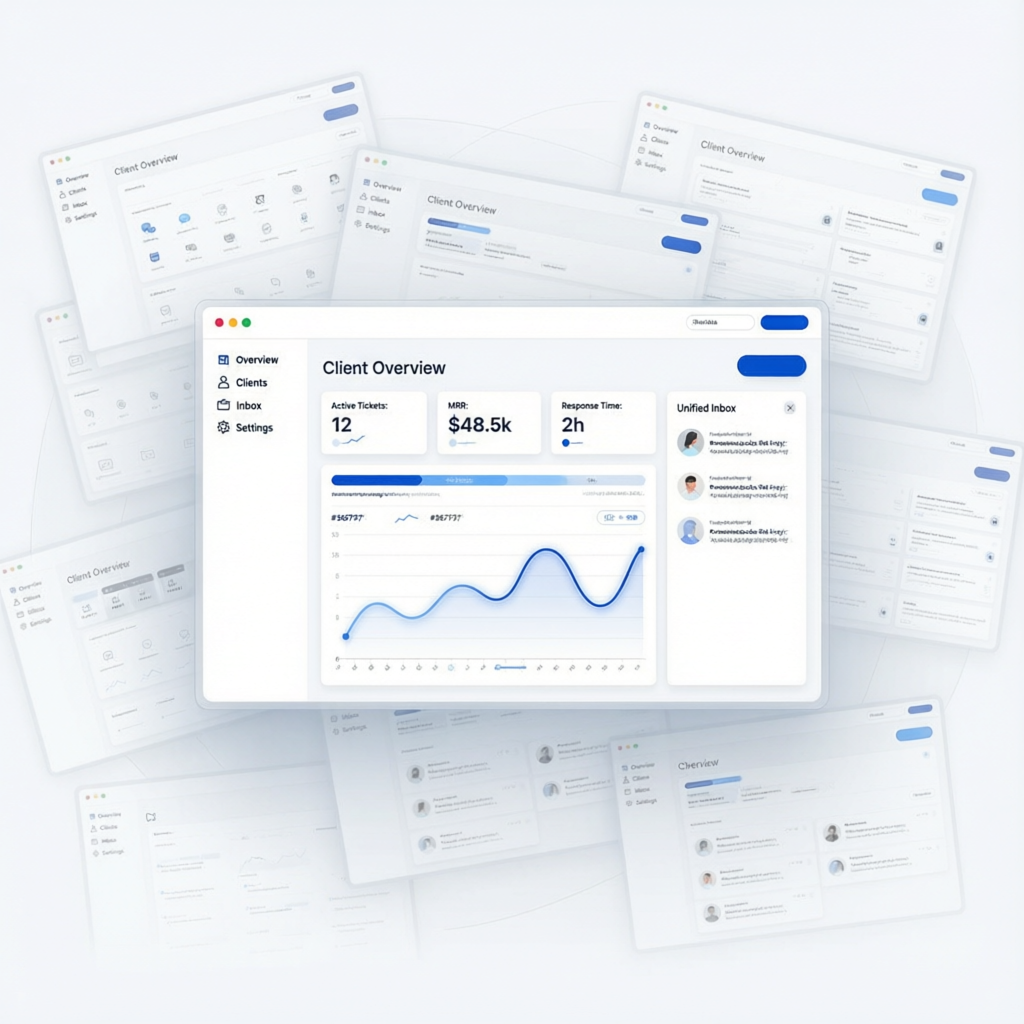
None of this requires the agency to get bigger. It requires the support layer to stop depending on one person being awake at the right hour, which was never a sustainable plan in the first place, even back when there was only one client to cover.
The Next Step Takes Seven Days
None of this needs to be theoretical before you trust it. Prigmar offers a 7 day free trial, long enough to connect two or three client sites, load their knowledge bases, and watch what happens the next time a visitor asks a question after hours. You'll see the reply go out, in that client's voice, without anyone getting pulled away from dinner to send it.
Start with the account that worries you most, the one where a missed message would actually cost you the relationship. Load their pricing and hours, add their common questions, and let the agent handle the next after-hours visitor. That's the test that matters: not a demo, a real question from a real visitor, answered while you weren't watching.
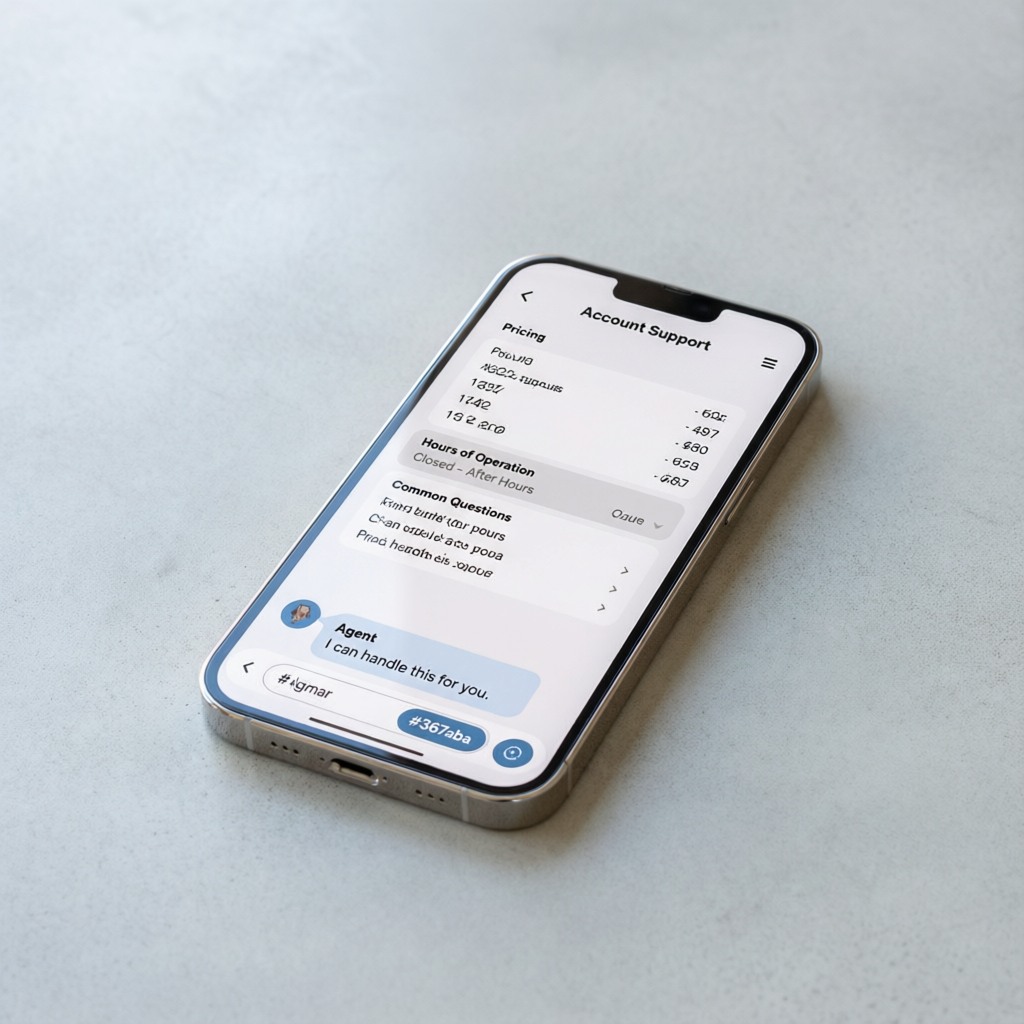
The client who almost left over silence didn't need a bigger apology or a discount to stay. They needed proof that their brand was covered at 9pm on a Tuesday, same as it would be at 9am on a Monday. That's the whole ask, and it's a small one to meet once every client's chat agent is answering from its own knowledge base instead of waiting on you.