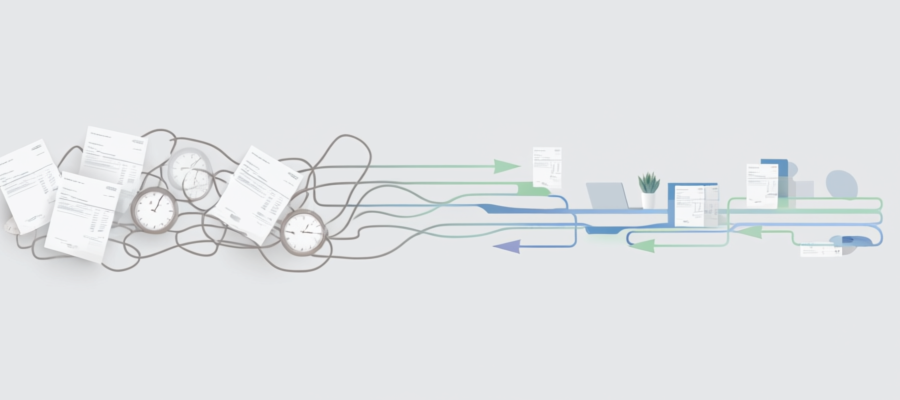
Stop wasting 12 hours a month chasing payments
The real cost of chasing invoices
You send an invoice. Then you wait. A week passes, so you send a polite reminder. Another week, another email. Maybe a phone call. By the time the payment clears, you have spent three hours on one client. Multiply that by every late payer, and the math gets ugly fast. Twelve hours a month. One hundred and forty-four hours a year. That is nearly four full workweeks spent on work you already did. And the worst part? You do not get paid for chasing—you only get paid when the payment lands.
Most business owners accept this as normal. They think follow-ups are part of running a business. But they are not part of the value you deliver. Your client hired you for your expertise, not for your ability to send reminder emails. Every hour you spend chasing invoices is an hour you could have spent on billable work, on your own marketing, or simply resting. The hidden cost is not just time—it is the energy drain of nagging and the resentment that builds when you have to ask for what you earned.

You probably have a system for invoicing. Maybe you use a template. Maybe you set calendar reminders. But systems only work if you follow them consistently. And when you are busy delivering work, following up often falls to the bottom of the list. That is why some invoices slip through the cracks. A client pays two months late because you never sent the third reminder. You write off a small invoice because it is not worth the awkward conversation. These leaks add up.
Prigmar's Invoice agent handles the entire cycle. You create an invoice once. The agent sends it on the due date. If the payment does not arrive, it sends a follow-up a week later. Then another. It escalates only when needed. You approve the first follow-up draft or let it run on autopilot. The client never feels harassed because the tone stays professional and consistent. And you never have to think about it again.

The difference is not just convenience. It is reclaiming the mental bandwidth that was tied up in a task you do not enjoy. When chasing payments is automated, you stop checking your inbox for confirmations. You stop dreading the end of the month. The agent works quietly in the background, and you focus on the work that actually moves your business forward. That twelve hours becomes yours again.
How Prigmar automates the follow-up loop
The process starts when you create an invoice inside Prigmar. You set the amount, due date, and any payment terms. Then you choose the agents you want—in this case, the Invoice agent. You can also connect your payment gateway so the invoice includes a pay link. Once you send the invoice, the agent takes over. It monitors the payment status and triggers the next action based on rules you define. You decide the frequency of reminders and the tone. Want a gentle nudge after five days? Set it. Need a firmer notice after fifteen? That is configurable too.
The agent does not just send emails. It works across the channels you have connected. If your client prefers SMS, the agent can send a text. If they use your portal, the agent updates the status there. The communication is consistent regardless of channel. And because Prigmar unifies your communications, the client sees a single thread, not scattered messages. This reduces confusion and makes it easier for them to pay.

You stay in control without doing the work. Each follow-up is generated by the agent, but you can approve it before it goes out. That is the default setting. If you trust the agent, you can switch to auto-publish. Either way, you see a log of every action. No surprises. If a client responds with a question—like 'Can I pay next week?'—the agent flags it for your attention or routes it to the Chat agent to handle the reply. The system learns from your preferences over time.
Automating follow-ups also prevents an awkward dynamic. When you chase manually, each reminder feels personal. The client might feel pressured, and you might feel like a nag. An automated system removes the emotional weight. The reminder comes from the system, not from you. It is just part of the process. Most clients actually appreciate the clarity—they know exactly when payment is expected and what happens if it is late. No guessing, no guilt.

Let us say a client is habitually late. With manual chasing, you might let it slide once, then twice, then resent them. With Prigmar, the rules are consistent. The agent sends reminders regardless. After three reminders without payment, it can escalate to a final notice or even pause services if you set that rule. The agent enforces your policies without you having to enforce them personally. That consistency often leads to faster payments because clients learn that late payment has consequences they cannot ignore.
What you do with the reclaimed time
Twelve hours a month is not a small amount. It is three full mornings. Think about what you could do with that time. You could write a blog post that brings in a new lead. You could refine your service offering. You could call a past client to check in—a proactive touch that might land you a repeat project. Or you could simply take a real lunch break without checking your email. The choice is yours because the time is no longer eaten by a task you hate.
One concrete example: a freelance graphic designer I know used to spend Monday mornings chasing invoices. She switched to Prigmar and reclaimed that block. She now uses Monday mornings to plan her week and create content for social media. Within two months, she had published three case studies that led to two new retainer clients. The time she saved did not just disappear—it turned into revenue. That is the leverage automation provides.

Another owner used the extra hours to finally set up a referral program. He had been meaning to do it for a year but never had the bandwidth. With invoice follow-ups handled, he spent two hours creating a simple referral system using Prigmar's CRM agent. Within three months, referrals accounted for thirty percent of his new business. The time investment paid back many times over. You cannot get that return from chasing payments.
You might also use the time to improve your client experience. When you are not rushing between delivering work and chasing payments, you can be more present. You can write better proposals. You can respond to emails thoughtfully. Your clients notice the difference. They feel like you have more capacity for them, which strengthens relationships and reduces churn. And fewer clients leaving means fewer invoices to chase in the first place.

The bottom line: automating invoice follow-ups is not about being lazy. It is about being strategic. Every hour you spend on a low-value task is an hour you cannot spend on a high-leverage one. Prigmar handles the chasing so you can focus on building your business. The invoice agent does not just save you time—it gives you the freedom to decide what that time is worth.