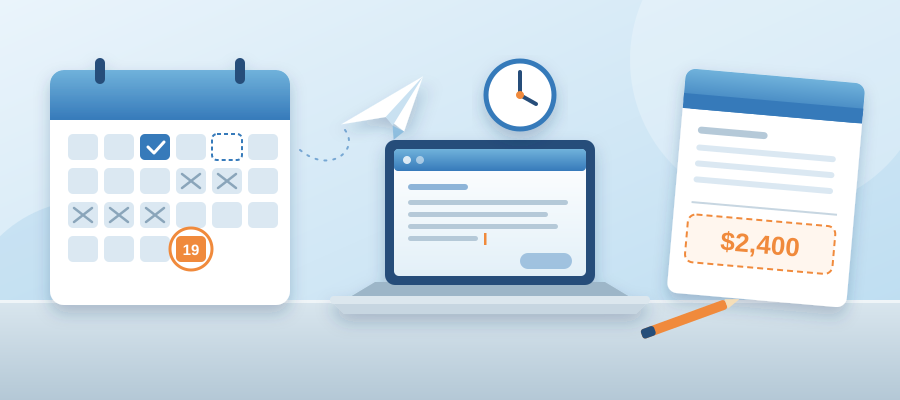
The Proposal Went Out Tuesday. You Meant to Follow Up Friday. It's Now the 19th and You're Drafting an Apology Instead of an Invoice.
The Pitch Was Fine. The Silence Was the Problem.
You sent the proposal on the 9th. You told yourself you'd follow up on the 12th. That was a Tuesday. Then a client project blew up and ate Wednesday. Thursday was the school run plus a dentist appointment. Friday you were catching up on the work you didn't do Wednesday. Now it's the 19th, the lead has gone cold, and you're writing an email that starts with an apology instead of a nudge.
The part that stings is that your price was right. Your pitch was good. They asked smart questions on the call. They said the timeline looked reasonable. Nothing in the proposal was broken. What broke was the second message, the small one, the one that says 'still thinking about this?' Nobody sent it because nobody had a spare twenty minutes on the 12th.
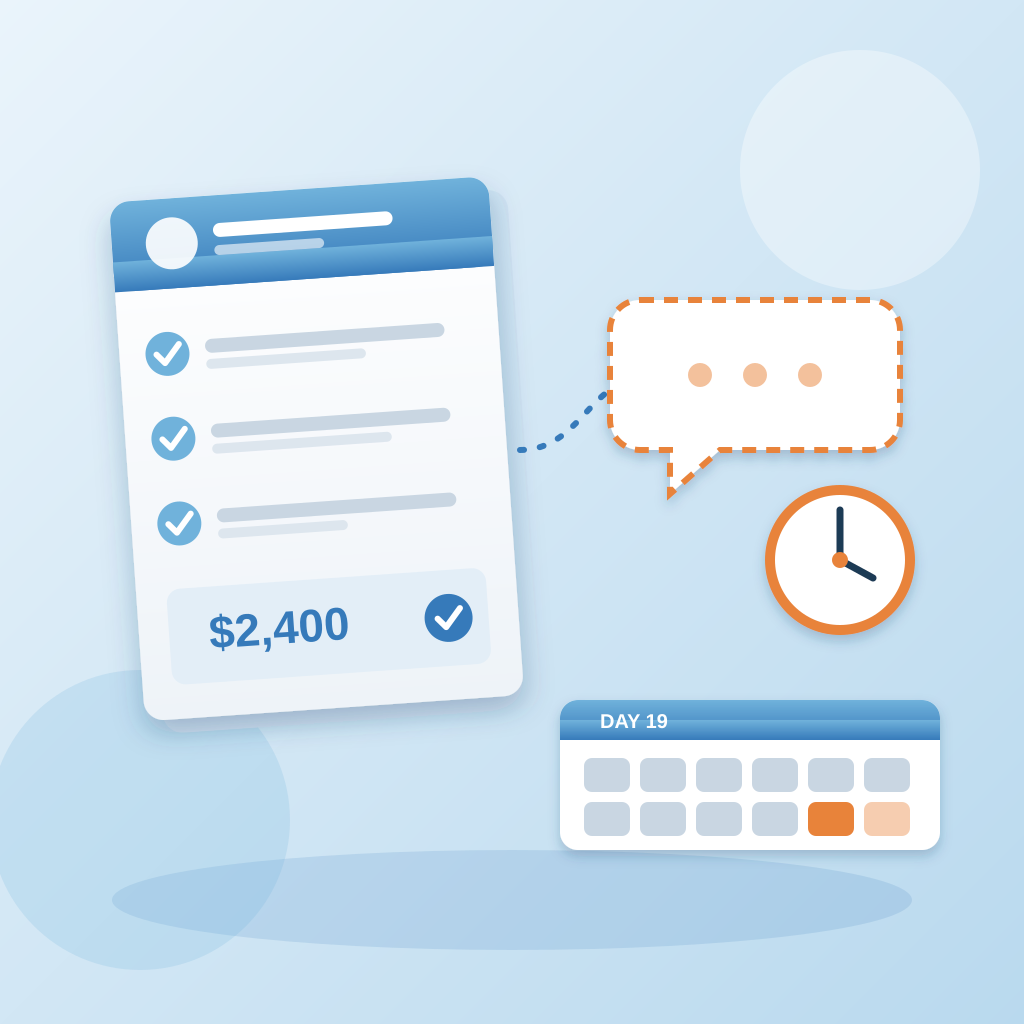
Solo owners lose warm leads to this every month. Not to competitors with sharper decks. To the gap between the 9th and the 19th, when the lead still remembers your name and hasn't signed with anyone else yet. That window is the whole sale. You did the hard part already. The follow-up is the easy part and it's the one that keeps getting skipped.
The fix isn't discipline. You have discipline. You've run this business for years. The fix is taking the follow-up off your plate so it doesn't depend on whether Wednesday went sideways. That's a system, not a personality trait.
A Lead Cools in Days, Not Weeks
Someone who asked for a proposal on the 9th is warm on the 9th. By the 12th they're still warm, they've read your numbers once, and they have a question forming they haven't typed yet. By the 19th they've started wondering if you're too busy to take the work. That's the quiet killer. Not 'too expensive.' Busy.
The follow-up does two jobs at once. It keeps you in the room, and it answers the question they haven't asked out loud: are you going to be responsive if I hire you? A lead reads a three-line follow-up on day 3 and thinks 'okay, they're on it.' They read nothing for ten days and think 'I'll circle back later.' Later never comes.
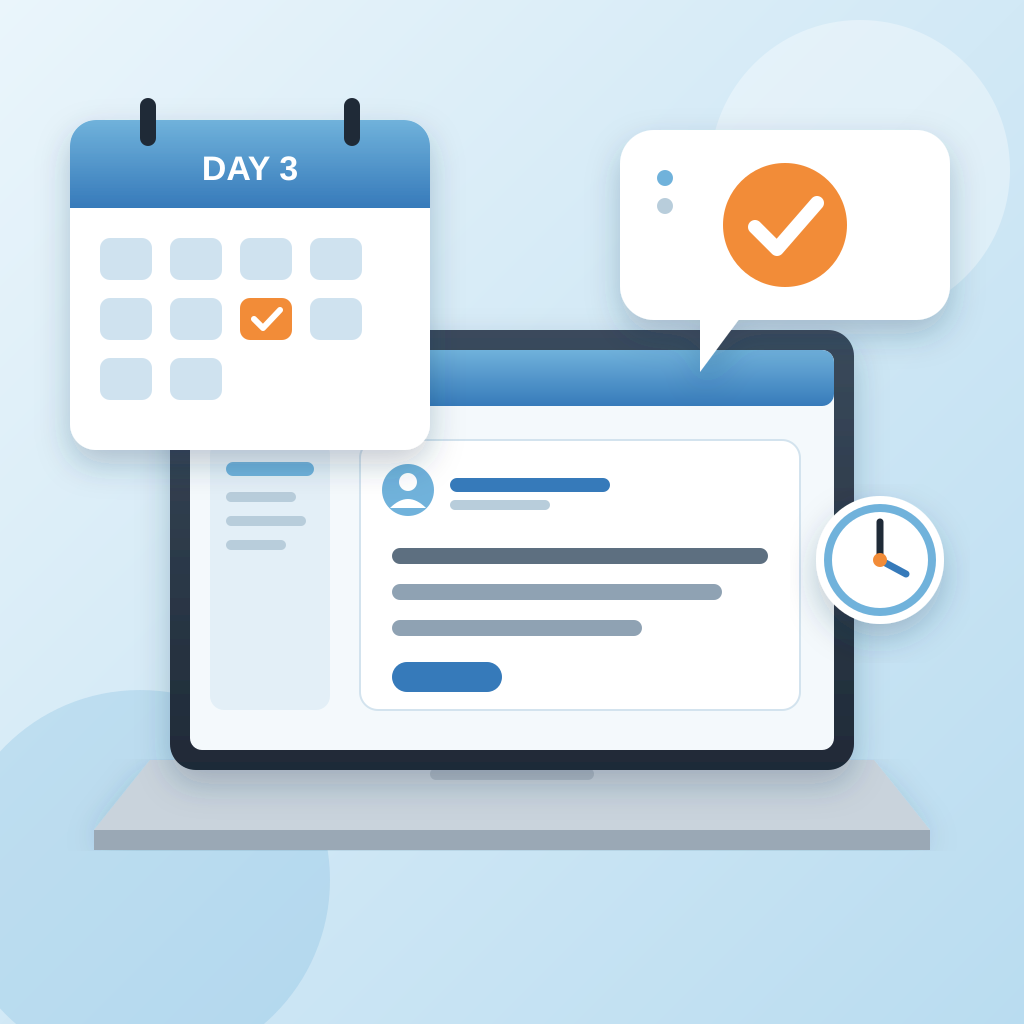
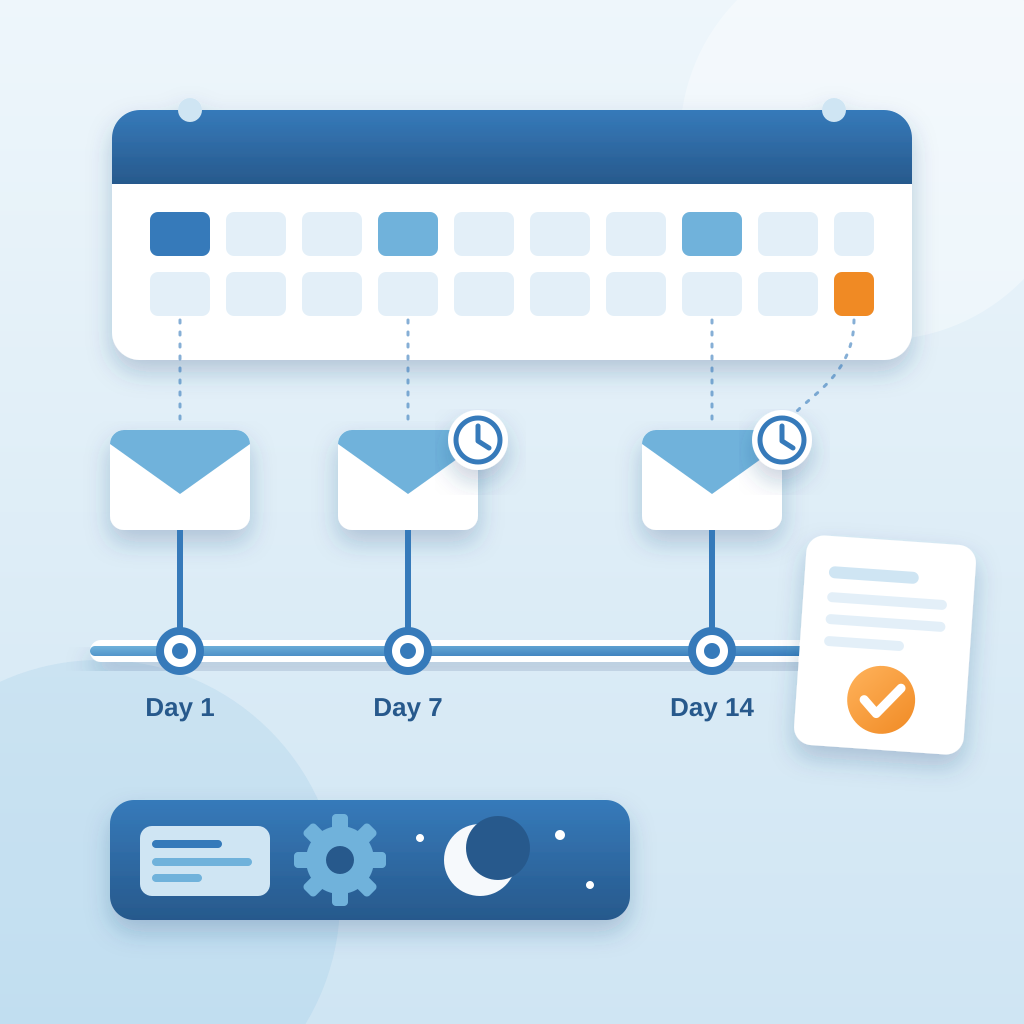
Day 3 is the nudge. Day 7 is the check-in with something useful attached, a relevant example, a quick answer to the objection you sensed on the call. Day 14 is the honest close: 'should I close this out or keep it open?' That last one feels scary to send. It's also the one that pulls a yes or a clean no, and a clean no is worth more than a lead rotting in your inbox.
You cannot run that cadence by hand while you're also doing the work you're trying to sell. Not because it's complicated. Because it needs to happen on days when your attention is somewhere else. Which is most days.
What It Looks Like When the Follow-Up Runs Without You
You drop the proposal into your dashboard like you normally would. You pick the follow-up pattern: day 3, day 7, day 14. Prigmar writes each one in your voice, short, direct, no 'just checking in.' You see the drafts before they go, or you let them send straight through. Either way, the 12th stops depending on how the 11th went.
When the lead replies on day 4, it lands in the same place as everything else. You read it over coffee. If it's a simple yes or a simple question, you answer in one line and it's done. If they ask something only you can answer, about scope, timeline, a custom rate, you step in and the agent steps back. You're never forwarding emails between three apps to figure out what was said.
The win here is concrete. A consultant with four open proposals stops losing two of them to silence. Get one of those back and that's the invoice you were about to write off, collected. Do that four times a year and it's a month of revenue that would have quietly evaporated.
This is the same engine behind the chat agent on your site and the social posts that keep going out while you're in a client call. One subscription, nine agents, one dashboard. People sometimes book a day to sit with it and set it up. You don't need that. You need an afternoon. If you've wondered about prigmar training for staff, the short version is there isn't much to train. A virtual assistant or a part-time hire can learn the whole thing in one sitting, and most solo owners just do it themselves.
The Follow-Up Is Where the Deal Actually Gets Won
The pitch gets you into the conversation. The follow-up gets you paid. Most solo owners put 90 percent of their energy into the proposal, the deck, the call, and then treat the follow-up like an afterthought they'll get to if the week is calm. The week is never calm. So the deal stalls, the lead drifts, and you blame yourself for not chasing harder.
You didn't need to chase harder. You needed the second, third, and fourth message to exist whether or not you remembered them. That's the difference between a business that closes the leads it already has and one that keeps buying new leads to replace the ones it let go quiet.
The same principle shows up everywhere else in a one-person shop. The invoice goes out and then nobody reminds the client it's due. The FAQ gets asked in chat and then asked again by email because the answer wasn't written down anywhere. The person who fixes all of that isn't a better version of you. It's a system that runs the boring second step on days you're buried.
That's the whole pitch. Your job is the work you're good at. Prigmar runs the follow-up, the reminders, the replies, and the posts that keep the pipeline from going quiet. You approve what matters. The rest just happens.
What It Costs to Keep Guessing
Solo owners ask about prigmar price before they ask what it replaces. That's backwards. Run the math on your own last four proposals. How many went cold without a no? Two? Three? Multiply that by your average project. That number is what silence costs you, and it's usually larger than the subscription question you were about to look up.
People search prigmar pricing plans expecting a big number because nine agents sounds like nine tools. It isn't. It's one bill, one login, one place where the chat, the follow-up, the posts, and the invoices all live. A marketing agency running three client accounts looks at the same number and sees a week of a junior's time replaced. The math changes depending on how many proposals you send, but it stops being scary once you compare it to one recovered deal.

If you want to see it before you commit, watch for the next prigmar webinar schedule and sit through a session. Ask real questions about your setup. People running agencies ask whether they can run multiple brands from one account, and the answer is yes, per-brand schedules and per-brand voice included.
None of this matters until you connect your first channel and send one follow-up that would have been skipped. Start there. The rest of the platform can wait until you've seen a cold lead answer back on day 4.
Send the Second Message
The lead who asked for a proposal on the 9th is not gone. They're sitting in a folder, meaning to reply, and the longer it goes the more awkward it gets for both of you. A short, calm message on day 3 or day 7 clears that awkwardness in about ten seconds. The deal doesn't need a better pitch. It needs the second message to arrive on time.
So set it up once. Pick your cadence. Drop the proposal in and let the follow-up run while you get back to the actual work. When they reply, you'll see it, and you'll answer as yourself. You were always going to be the one who closes it. You just don't have to be the one who remembers to send it.
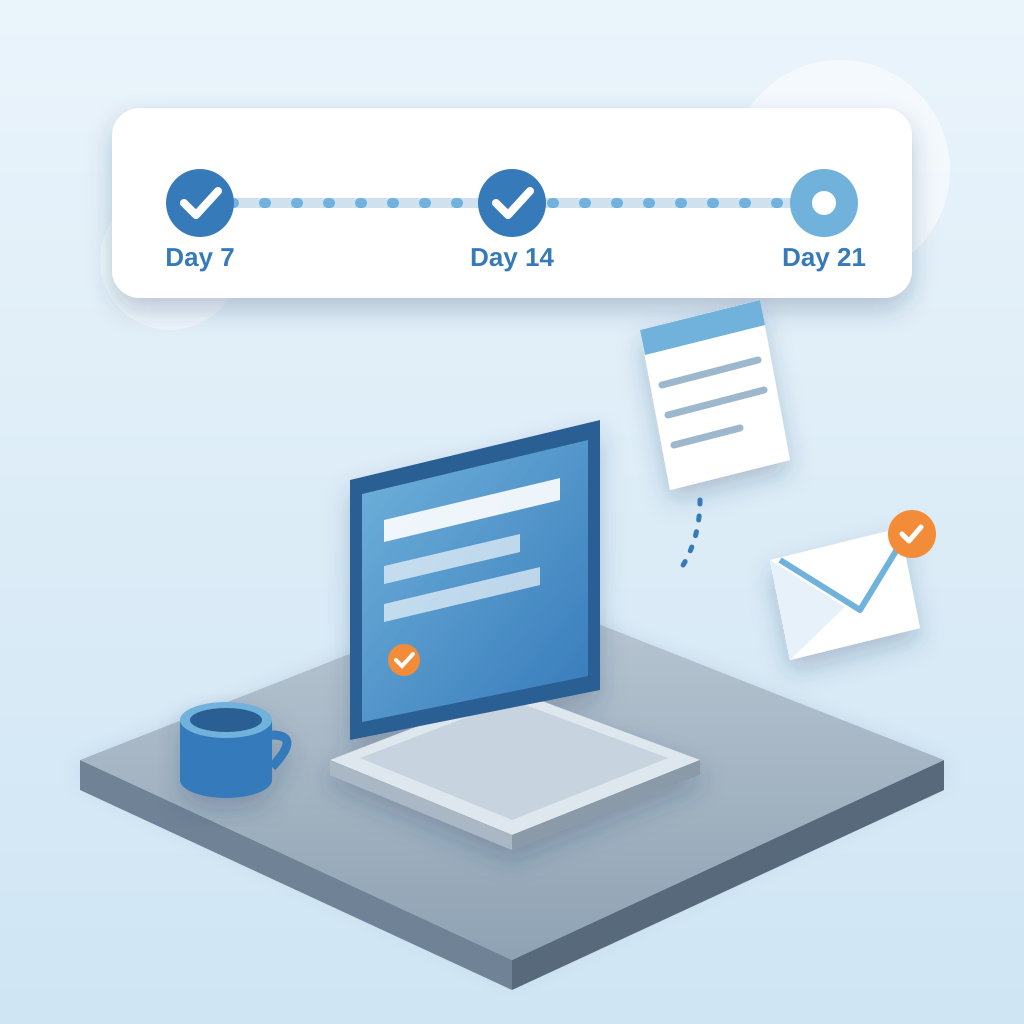
That's the difference between the 19th being a day you write an apology email and the 19th being the day the invoice goes out.