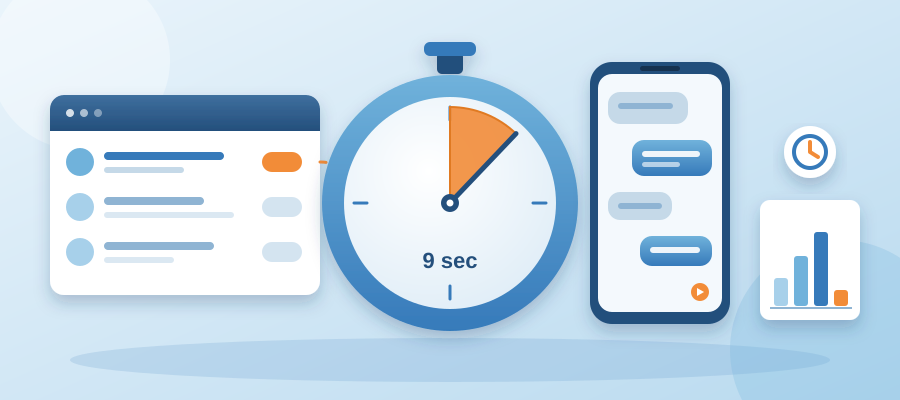
The 9-Second Reply: What the CRM Lead Response Time Benchmark Report Actually Measures
11:52 PM. The Question That Decides the Sale.
A visitor lands on your site at 11:52 PM. They open the chat. They ask the one question that decides whether they buy: how soon can you start, what does it cost, are you free the week of the 14th. Three lines. Maybe 40 words. That question is the whole sale sitting in a box on your website.
Your phone buzzed at 11:52 PM. You didn't see it. The chat widget did. It pulled the answer from your own knowledge base, the pricing page you wrote, the availability note you updated last Tuesday, and replied in 9 seconds. The visitor read it, asked a follow up, and booked a call for 9:30 the next morning. You found out at 7:15 when you opened your laptop.
That gap is the whole point of the CRM lead response time benchmark report. Not the industry average. Not the median of a thousand companies with a support floor. The benchmark that matters to a solo owner is the gap between when a lead asks and when somebody answers. Every hour in that gap is a sale drifting toward whoever answers first.

Most benchmark reports measure the wrong thing for owners like us. They measure the team. We don't have a team. We have you, a phone, and 14 other things pulling at the same hour. So the benchmark has to be measured against the only line that moves: how fast a real answer lands in front of a real buyer, at whatever hour they showed up.
What the Benchmark Report Is Actually Measuring
The CRM lead response time benchmark report looks like a spreadsheet of industry averages. Insurance replies in minutes. Real estate replies in hours. SaaS replies somewhere in between. Those numbers are useful if you run a call center. They are close to useless if you run the business alone.
What the report is really measuring is the cost of a gap. A lead fills out a form at 2:16 PM on a Tuesday. You're on a client call. You see it at 4:40 PM. You draft something, get interrupted, send it at 5:12 PM. Three hours gone. The buyer has already spoken to two other people. The report says the average is fine. Your deal is not fine.
The benchmark worth watching for a solo owner is the time to first real answer. Not the automated receipt. Not the autoresponder that says thanks, we'll be in touch. The actual answer to the actual question. If the question was price, the answer needs a number. If the question was timeline, the answer needs a date.
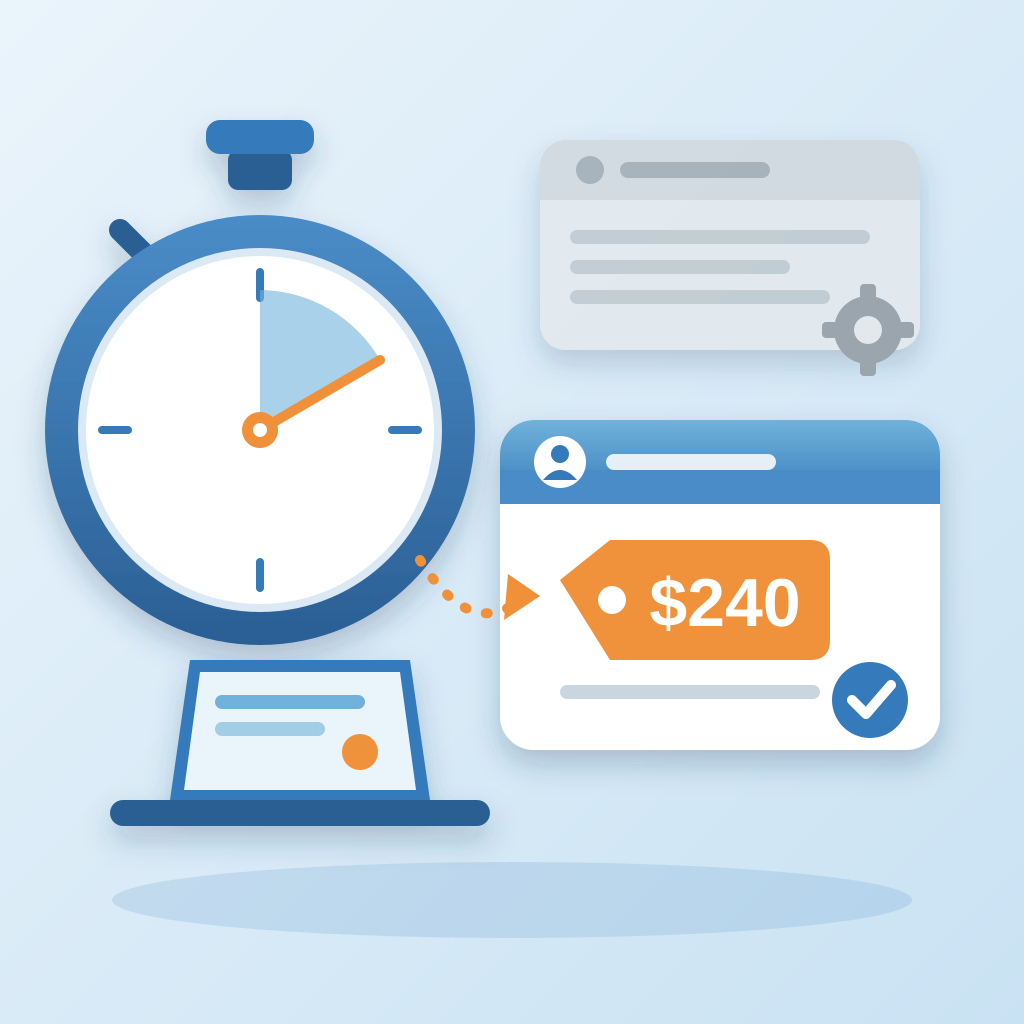
Most CRMs track this badly or not at all. They log the lead, they timestamp the reply, they show you a dashboard. They don't tell you that 6 leads this week waited more than 4 hours for a human sentence. That is the number that belongs at the top of the report, and for most owner-run businesses it is the number nobody is watching.
The Nine-Second Answer Is Not a Trick. It's a Knowledge Base.
A 9-second reply sounds like an auto-responder. It isn't. The difference is where the words come from. An auto-responder says we got your message. A grounded chat agent answers the question with the facts you already published on your own site.
You add the widget to your site in an afternoon. You point it at your knowledge base: your services, your pricing, your availability, the questions you answer every week by hand. The agent reads from that. When a visitor asks whether you can start the week of the 14th, it checks your availability note and answers. When they ask what a project costs, it gives the range you wrote down. No invention. No guessing.
The report angle here is simple. The benchmark is not how fast a bot can type. It is how fast the right answer can reach the buyer without you in the room. That is what a knowledge base buys you. It turns your 9-second reply into something you'd actually stand behind.

And you don't lose control of it. One click and you take over the conversation. If the visitor needs a human, the agent can hand off and reply by email when you're free. The 11:40 PM visitor still gets a real answer. You still get to step in when it matters. That is the whole point of the setup.
The Reply Is Step One. The Follow Up Is the Deal.
A fast answer gets you in the conversation. It doesn't close the sale. The lead replies, asks two more things, says they'll think about it. If nothing happens after that, the 9-second reply was a nice gesture.
The agents pick up where the chat leaves off. The lead lands in your CRM with the conversation attached. The email agent follows up on a cadence. The lead acquisition agent keeps working the list. When you're ready to text them, two-way SMS texting from CRM lets you reply from the same place the lead came in, so the thread doesn't split across your phone and your inbox.
The benchmark report rarely talks about this part, because it's harder to measure. Time to first reply is a number. Time to third follow up is a habit. But the second one is what actually moves money.
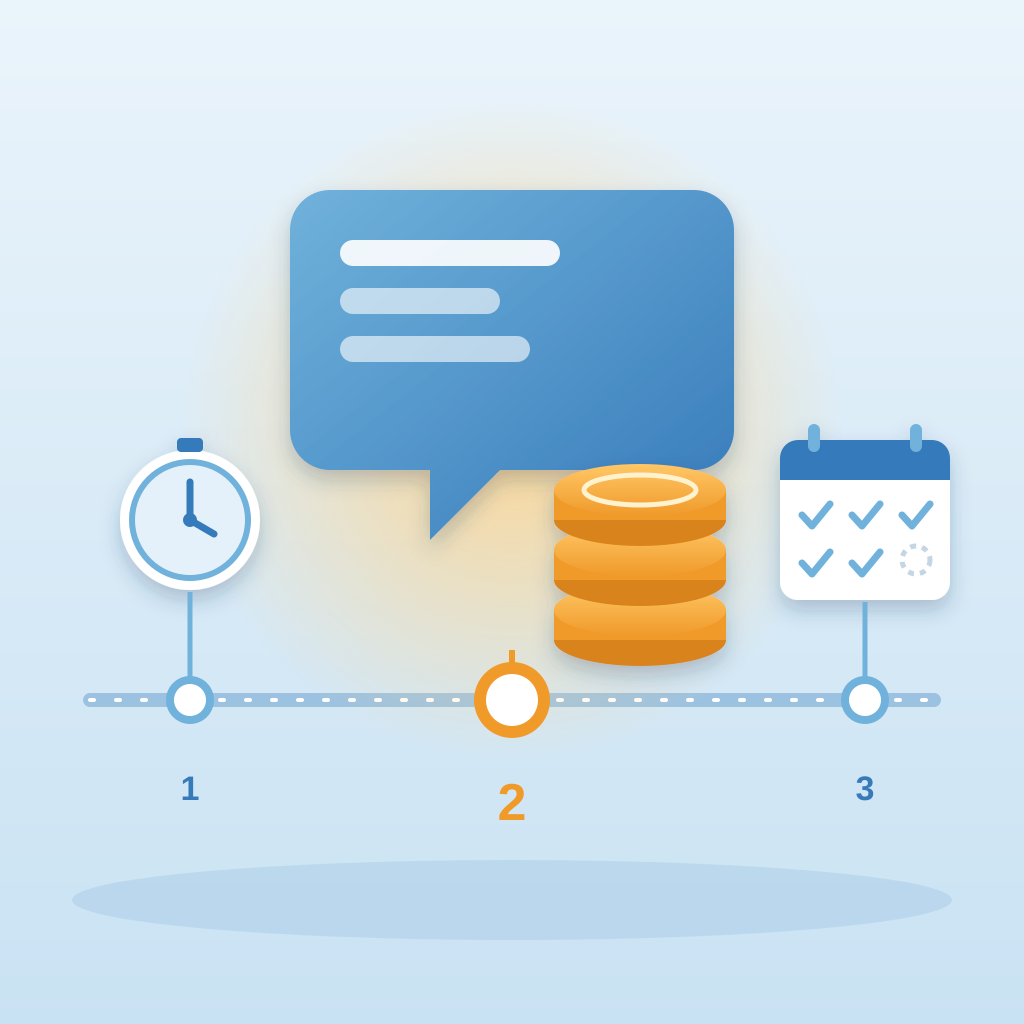
Here is a concrete example. A lead comes in Tuesday at 11:52 PM. The agent answers in 9 seconds. You take over Wednesday at 8 AM and book the call. The call happens Thursday. They say they need to check with a partner. The follow up agent nudges them Friday, then Tuesday, then the following Monday. On the second Tuesday they say yes. That is 14 days from first touch to signed, and you spent maybe 20 minutes of it talking to them.
Where Solo Owners Actually Lose the Benchmark
You can read a CRM lead response time benchmark report cover to cover and still miss where your time goes. The loss is rarely one dramatic slow reply. It's the small delay repeated all week.
The 2:16 PM form fill you see at 4:40. The chat message that comes in while you're driving. The DM at 11:40 PM that you find at 7:15. The contact you meant to import from a conference and never did, because importing contacts from LinkedIn into CRM was going to take an hour you didn't have. Each of these is a 1 to 3 hour gap. Stack them and you have a week of leads answered late by a person who was doing three other jobs.
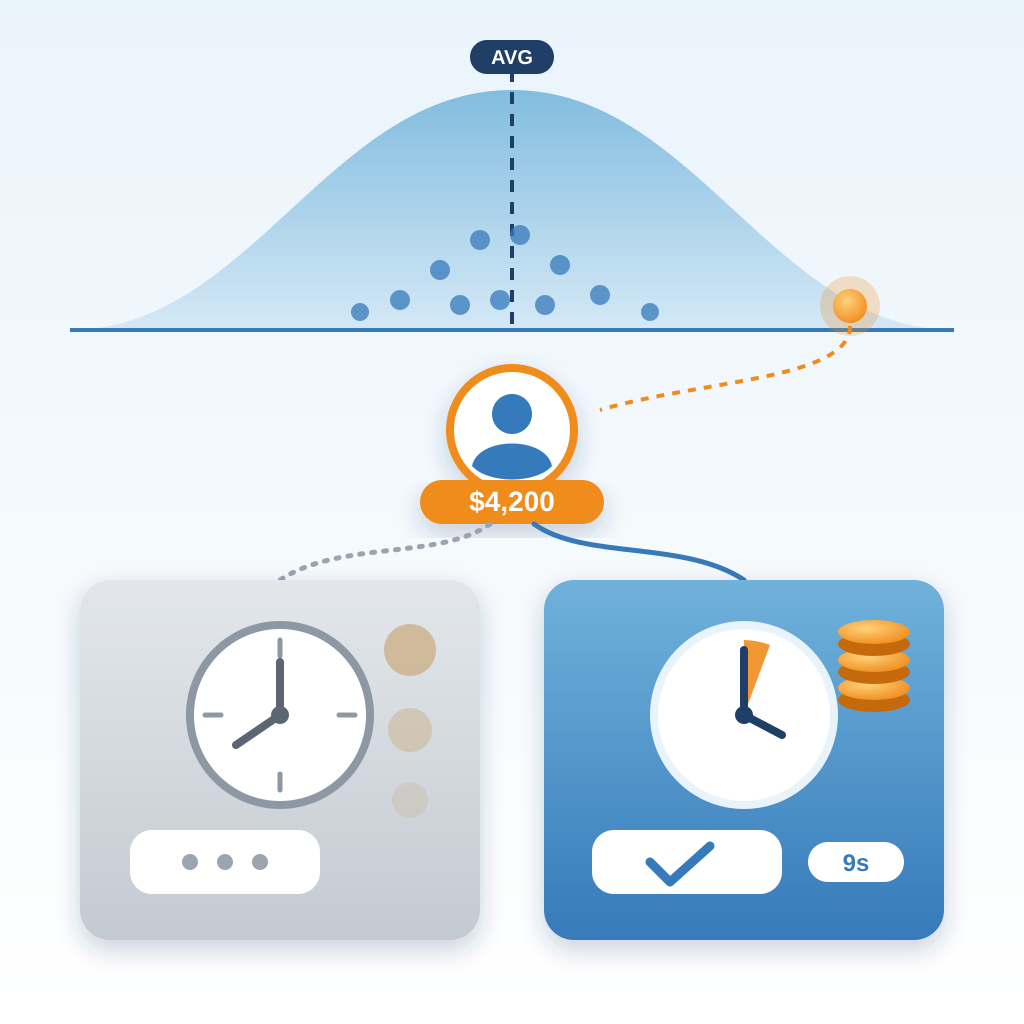
The report measures the average. Your business lives in the exceptions. One slow reply to one big lead can cost you $4,200. One fast reply to the same lead can win it. So the goal is not to improve your average. The goal is to make sure no lead waits overnight for a question that had a 9-second answer sitting in your knowledge base.
This is the part most tools get wrong. Schedulers stop at posting. Auto-responders stop at acknowledging. The full job is answer, capture, follow up, invoice, and chase payment. If any one of those steps is missing, the fast reply is just a faster way to lose the same lead.
What to Put on Your Own One-Page Report
Ignore the industry averages. Build a report you can read in 2 minutes on a Friday. Four numbers on one page. How many leads came in this week. How many got a first answer in under a minute. How many are still waiting. How many turned into calls or invoices.
If the second number isn't close to the first, the chat agent is doing the work you can't do at 11:52 PM. If the third number is above zero, something is broken and you should know about it before a client tells you. If the fourth number is moving, the follow up is working. That is the whole benchmark for a business your size.
You can run this same loop across every channel you touch. Social and SEO feed leads in. Chat support answers them in seconds. The CRM holds the thread. Email and newsletters keep the lead warm. Invoicing chases the money after the yes. Each of those is a number on the page.

The CRM lead response time benchmark report exists to show you the gap. Your job is to close it for your own business. Not by answering faster at 2:16 PM when you're already on a call. By making sure the answer goes out at 11:52 PM, at 3 AM, and at 7:15 while you're still asleep.